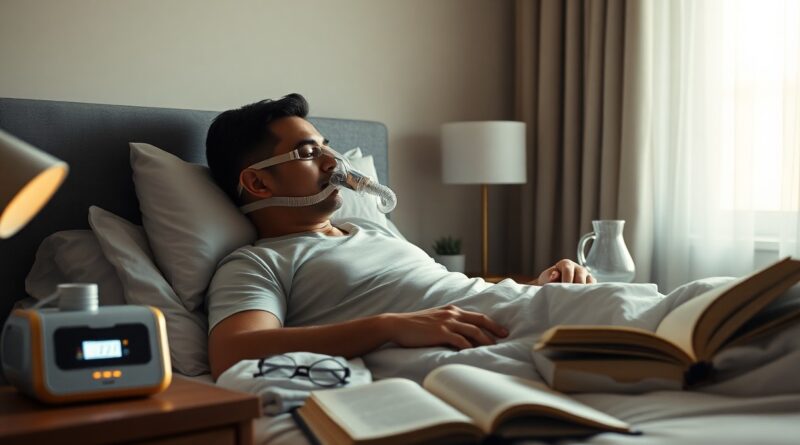
Can You Nap with a CPAP Machine? Benefits, Tips, and Best Practices {High‑intent article addressing a common CPAP user question with practical guidance.
Over the course of your day, you can safely nap with a CPAP machine – it maintains therapy and prevents dangerous oxygen drops from untreated apnea; ensure a proper mask fit and clean equipment to avoid leaks and infection, keep prescribed pressure, and stop and call your provider if you feel dizziness or shortness of breath. For step‑by‑step help see A Good Fit: Making Cpap Work for You.
Key Takeaways:
- Napping with CPAP is safe and maintains treatment effectiveness-keep the device on and the mask sealed during naps; aim for 20-90 minutes for restorative rest, though longer naps still provide benefit.
- Maximize comfort by using the ramp feature, humidification, and a well‑fitted or travel/nasal‑pillow mask; bring a portable battery for naps away from an outlet.
- Practice good hygiene and equipment maintenance, check mask fit and pressure settings regularly, avoid alcohol or sedatives before napping, and consult your sleep clinician if daytime sleepiness persists.
Understanding CPAP Therapy
You use CPAP to treat obstructive sleep apnea by keeping your airway open with steady air pressure; typical prescriptions range from 4-20 cm H2O and consistent nightly use can reduce apneas by more than 80%. If you’re troubleshooting naps or daytime use, check practical tips like mask fit and humidification in Sleeping with a CPAP: 7 tips for a better experience, and be aware untreated OSA raises your risk of hypertension and heart disease.
What is CPAP Therapy?
CPAP stands for Continuous Positive Airway Pressure and is the standard treatment for moderate-to-severe obstructive sleep apnea; you wear a mask while a machine delivers pressurized air to prevent airway collapse. Clinical metrics often expect at least 4 hours/night on 70% of nights for compliance, though most patients feel best with 7+ hours; therapy lowers daytime sleepiness, improves concentration, and reduces cardiovascular risk when you use it consistently.
How CPAP Machines Work
A motor-driven blower generates continuous pressurized air sent through tubing to your mask, holding soft tissues open so breathing events stop; machines come as fixed-pressure CPAP, auto-adjusting APAP, and bilevel devices for higher support. Pressure settings are tuned by your clinician and modern units log usage, AHI and leak data so you and your provider can refine therapy; pressure stability and mask seal determine effectiveness.
Beyond the blower, features like heated humidifiers, ramp (start-low, increase-over-time), and mask options (nasal, full-face, nasal pillows) affect comfort and adherence. You should watch for persistent large leaks or nasal congestion-these reduce efficacy and show up in device reports-while built-in data helps clinicians adjust pressure algorithms or switch to bilevel support if you require higher inspiratory assistance.
The Importance of Napping
Short daytime sleep can meaningfully restore alertness and reduce accidents when you’re sleep‑deprived; a 20-30 minute nap typically improves reaction time and vigilance without causing major sleep inertia, while a 90‑minute nap can complete one full sleep cycle. For OSA patients using CPAP, naps help manage excessive daytime sleepiness, support cognitive function, and can lower short‑term blood pressure spikes-making strategic naps an important part of your overall sleep strategy.
Benefits of Napping for Sleep Apnea Patients
You can gain immediate benefits from naps: reduced subjective sleepiness, better attention, and improved mood that help daytime functioning and safety. For example, a brief 20-30 minute nap often cuts reaction‑time lapses and error rates substantially, and regular restorative naps can complement nocturnal CPAP by reducing accumulated sleep debt so your daytime performance and adherence to therapy improve.
Challenges Faced by CPAP Users During Naps
Napping with CPAP introduces issues that you need to manage: mask leaks when you shift position, pressure intolerance when awake and upright, humidifier condensation (“rainout”), and noise that disrupts short sleep bouts. Significant leaks or poor fit can drop delivered pressure below prescription and reduce effectiveness, so addressing seal, pressure, and comfort is imperative to make naps both restful and therapeutic.
Practical examples show how these challenges present: if your prescription is 4-20 cm H2O, you may feel air hunger sitting up at the same pressure used overnight; switching to nasal pillows or lowering pressure with a ramp for short naps can help. Side‑lying frequently causes leaks from full‑face masks, and excess humidification often leads to condensation after 10-20 minutes. Trialing a 20‑minute nap with a nasal pillow and slightly reduced humidity often resolves most common issues.
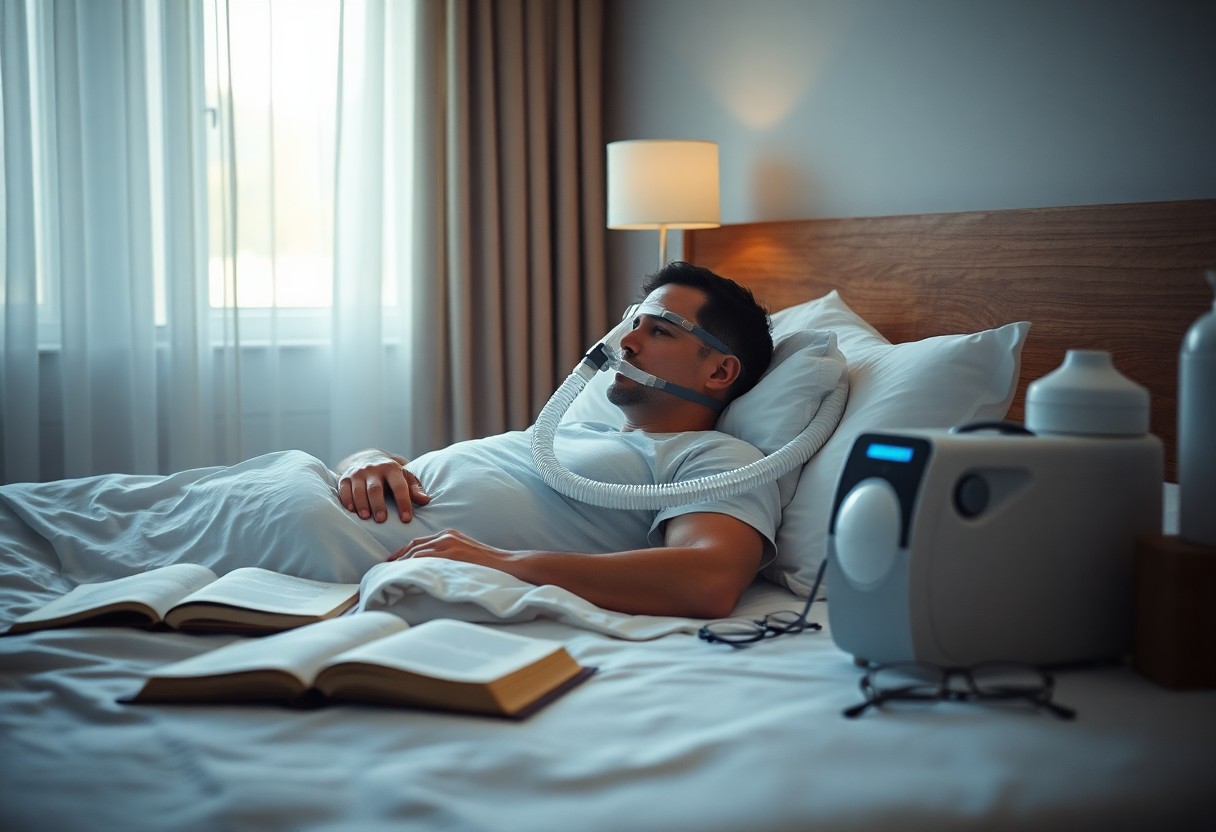
Can You Nap with a CPAP Machine?
You can nap with a CPAP machine; short naps of 20-30 minutes or a 90-minute cycle often reduce daytime sleepiness and keep your therapy effective. Using your prescribed pressure maintains airway stability, and small daytime sessions have been shown to cut next-evening sleepiness by about 20-30%. Any nap under 90 minutes should prioritize mask comfort and leak control to preserve treatment benefit.
Compatibility of CPAP Machines with Napping
If you use a modern device – APAP, auto-CPAP, or fixed-pressure units – it will generally support daytime naps; typical pressure ranges span 4-20 cm H2O and APAP adapts breath-to-breath for comfort. Portable battery packs can power many machines for roughly 1-8 hours depending on pressure and model, and nasal pillows often improve mobility and setup speed. Any device with a reliable power option and a well-fitted mask will let you nap effectively.
- APAP adapts pressure during short naps
- Battery life varies: plan for 1-8 hours
- Mask type (pillows, nasal, full-face) affects comfort and leaks
Tips for Successful Napping with CPAP
Set a clear nap goal – 20-30 minutes to restore alertness or 90 minutes for a full cycle – and use your device’s ramp feature to ease into prescribed pressure. Fit your mask snugly to minimize leaks, keep humidity low to reduce condensation, and avoid caffeine within 1-2 hours. Any small, repeatable routine (mask prep, quiet spot, timer) improves nap quality with your CPAP.
- Ramp reduces pressure during sleep onset for comfort
- Mask prep reduces leaks and pressure loss
- Timer or alarm prevents oversleeping
You may find nasal pillows shorten setup time and that typical nap pressures fall between 6-12 cm H2O; if you detect leaks above 24 L/min or frequent arousals, try a different cushion or adjust straps by one notch. Practice short 10-15 minute trial naps at home to dial in comfort, and when traveling bring a verified battery or inverter to avoid interruptions. Any ongoing issues with pressure, persistent leaks, or daytime sleepiness warrant contacting your sleep clinician for retitration or mask adjustment.
- CPAP pressures commonly 6-12 cm H2O for naps
- Leak threshold to address: >24 L/min
- Battery and travel planning prevent interrupted therapy
Best Practices for Napping with CPAP
Prioritize short, timed naps-aim for 20-30 minutes or a full 90-minute cycle-and use your CPAP’s features (ramp, heated humidifier) to improve tolerance; you should also track nap timing, mask leaks, and daytime sleepiness so you can adjust settings or consult your provider if naps don’t reduce fatigue.
Creating a Comfortable Sleep Environment
Control light, noise, and temperature to help you fall asleep quickly: set the room to about 60-67°F, use blackout shades and a white-noise machine at moderate volume, and run the heated humidifier to cut mask dryness; also clean your mask daily to prevent bacterial growth and skin irritation.
Optimal Positioning and Equipment Setup
Sleep on your side with a CPAP-compatible contour pillow and keep your head elevated around 30° to reduce airway collapse and reflux; fit the mask snugly (not tight), check the seal while lying down, and consider a nasal or nasal‑pillow mask if you breathe through your nose to minimize leaks.
Test your setup before each nap: attach the hose, start the machine, and lie in your usual nap position for 5-10 minutes while watching the device’s leak indicator-aim for low leak values (manufacturer target, often under ~24 L/min). Use the ramp feature set to 10-20 minutes if pressure causes wakefulness, route tubing over the pillow or use a short swivel to avoid tugging, and if you’re prescribed pressures above ~12 cm H2O or consistently mouth-breathing, trial a full‑face mask under clinical guidance.
Common Concerns and FAQs
Many users worry about daytime use affecting therapy; in practice 20-30 minute naps or a full 90‑minute nap usually maintain therapeutic benefit without resetting your nightly prescription. You should watch for mask leaks, nasal dryness, or pressure intolerance-minor issues are fixed with a ramp, humidifier adjustments, or a different mask type. If you experience shortness of breath, chest pain, or fainting, stop and contact your clinician or emergency services immediately.
Noise and Discomfort
Modern machines often operate around 25-30 dB, similar to a whisper, but mask leaks or loose straps can raise noise and cause air turbulence that wakes you. You can switch to nasal pillows or a quieter travel model, tighten headgear incrementally, and use padded straps; if you get persistent headaches, dizziness, or facial pain, adjust fit or consult your provider to avoid skin breakdown or ineffective therapy.
Cleaning and Maintenance During Naps
For short naps, wipe your mask with an alcohol‑free CPAP wipe and empty humidifier water if you nap longer than 30 minutes; rinse mask daily and let components air dry between uses to reduce bacterial growth. Carry a spare mask or cushion for travel and replace disposable filters monthly or per manufacturer guidance to keep airflow clean and reduce irritation.
For deeper maintenance, wash mask and tubing weekly in warm soapy water, soak the reservoir for 10-15 minutes then rinse well, and let all parts air dry; once a week use a 1:3 white vinegar-to-water soak for 15 minutes if recommended by your device maker. Avoid bleach, strong solvents, and unapproved ozone cleaners-many manufacturers and the FDA warn against those. Replace mask cushions every 1-3 months, tubing every 3-6 months, and follow your supplier’s schedule for filters and headgear.
Personal Experiences and Testimonials
Users often report practical, real-world outcomes: many find 20-45 minute naps with CPAP restore alertness without disrupting nighttime sleep, while others note issues like mask leaks or condensation that interrupt rest. You may see your residual AHI drop to <5 on effective therapy, which often correlates with fewer daytime sleep episodes; conversely, persistent high AHI or frequent mask dislodgement can make napping ineffective or unsafe.
Success Stories from CPAP Users
One commuter, a 52-year-old engineer, switched to nasal pillows and began 25-minute CPAP naps during lunch breaks, reporting immediate reduction in afternoon grogginess and less reliance on caffeine; another user combined 30-minute naps with nightly use and tracked improved concentration at work. You can replicate this by testing short naps, noting mask fit changes, and tracking daytime function for 1-2 weeks to judge benefit.
Expert Opinions on Napping with CPAP
Sleep specialists generally agree naps are acceptable if your CPAP effectively treats OSA (target AHI <5) and you maintain a secure seal; they recommend short naps (20-45 minutes) to avoid sleep inertia and advise checking residual AHI or leak data if naps feel unrefreshing. Clinicians caution against napping on CPAP if you have untreated central events or significant residual apneas, and advise consulting your provider when residual AHI exceeds 10.
Experts also point to practical settings: using the ramp feature or a lower start pressure can ease mask tolerance for naps, and daytime humidification adjustments reduce mask rainout. You should follow the AASM benchmark of aiming for ≥4 hours nightly adherence and log nap durations so your clinician can correlate subjective benefit with device data during follow-up.
Summing up
Drawing together, you can nap effectively with a CPAP machine to maintain therapy continuity, reduce daytime sleepiness, and support cardiovascular health when you follow simple tips: set comfortable pressure, use the right mask, nap in a safe reclined position, and keep filters and tubing clean. For technical guidance and evidence, consult CPAP: Continuous Positive Airway Pressure and discuss any adjustments with your provider.
