
The Science of Breathing Efficiency During Micro‑Sleep
Just by optimizing how you breathe during brief naps, you can markedly influence airflow, CO₂ balance, and parasympathetic activation-factors that determine micro‑sleep quality. If airflow is restricted you risk dangerous CO₂ retention and impaired arousal, whereas nasal dilation and gentle breathing promote restorative parasympathetic tone and more stable micro‑sleep. Over‑the‑counter nose strips can assist by reducing nasal resistance and improving nasal airflow, supporting safer, more effective naps.
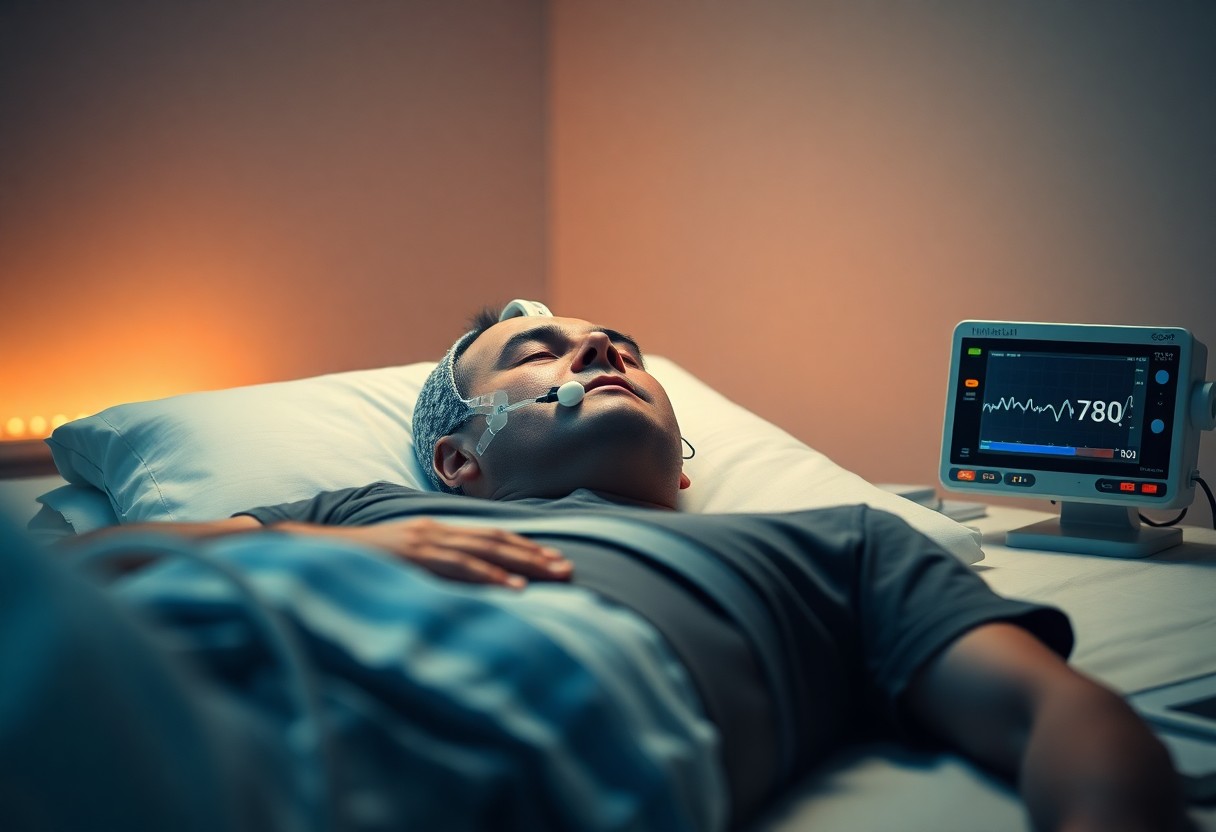
Key Takeaways:
- Airflow: Adequate nasal airflow lowers inspiratory effort and reduces obstruction‑related arousals, shortening sleep onset and stabilizing micro‑sleep episodes.
- CO₂ balance: Stable CO₂ levels support an optimal arousal threshold-both hypercapnia and hypocapnia can fragment naps, so gentle, consistent nasal breathing preserves CO₂ homeostasis and nap continuity.
- Parasympathetic activation and nose strips: Nasal breathing favors parasympathetic (vagal) dominance that deepens micro‑sleep; nasal dilator strips increase nasal patency, reduce breathing effort, and help sustain parasympathetic‑driven restorative naps.
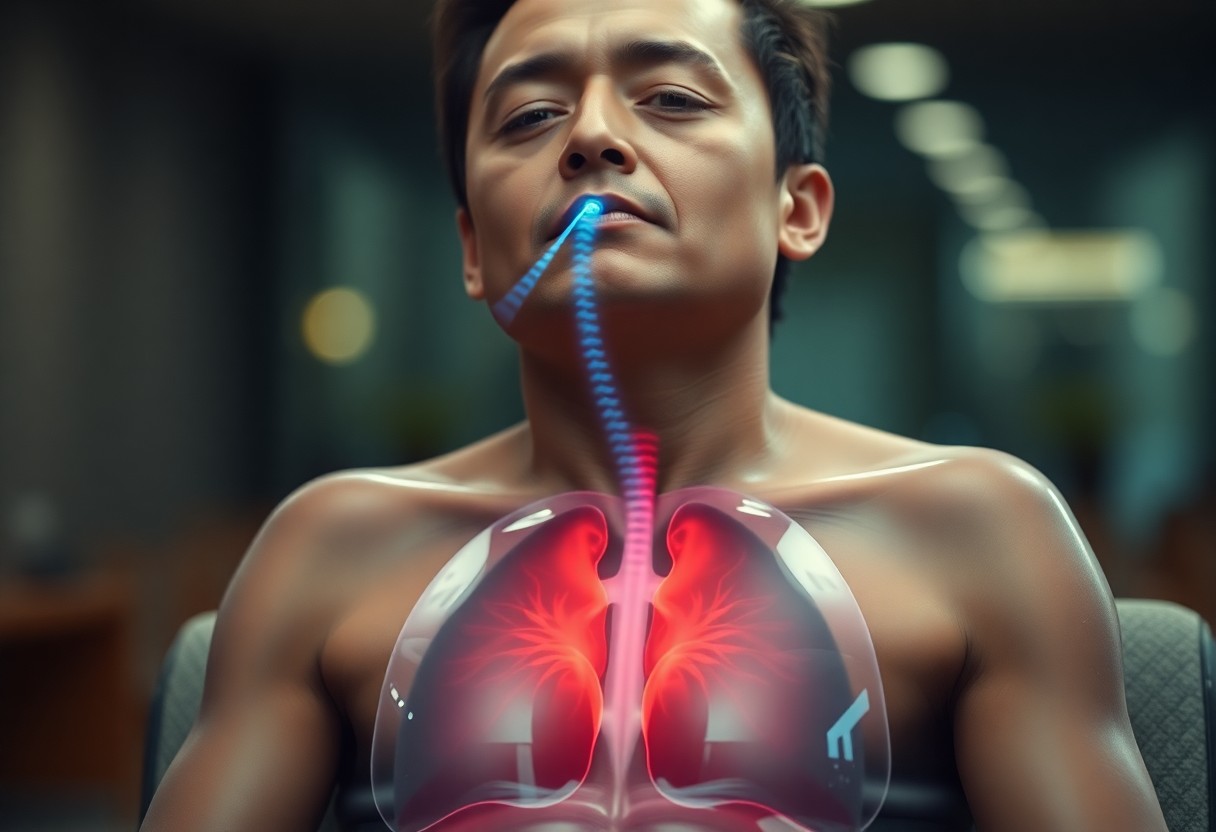
Physiology of Micro‑Sleep
When you enter micro‑sleep, small changes in airflow and CO₂ balance rapidly alter nap quality: a CO₂ rise of ~3-5 mmHg can reduce sleep stability, while enhanced parasympathetic activation slows breathing and promotes deeper, shorter sleep fragments. You benefit from improved nasal patency-studies show nasal strips can increase airflow and reduce resistance by roughly 15-25%, lowering work of breathing and helping maintain a steadier CO₂ setpoint during brief naps.
Neural circuits and sleep‑state transitions
Your transitions into micro‑sleep are driven by fast switches between the VLPO and brainstem arousal centers: VLPO GABAergic neurons suppress the locus coeruleus and dorsal raphe within seconds, shifting balance toward parasympathetic dominance. In practice, this means within 2-30 seconds your heart rate and respiratory drive drop, making you more sensitive to airflow limitations and CO₂ accumulation that can fragment the nap.
Respiratory rhythm generation during brief sleep episodes
The pre‑Bötzinger complex continues to generate rhythmic breaths but responds to altered chemosensitivity and vagal input during micro‑sleep, so your respiratory rate often falls by ~20-30% and tidal volume can shallow. That change favors CO₂ retention; if airflow is restricted, you face increased end‑tidal CO₂ and higher arousal probability. Using nasal strips reduces nasal resistance, helping preserve depth and stability of those brief breaths.
Polysomnography of short naps often shows respiratory rate dropping from ~14 breaths/min to ~10 breaths/min and end‑tidal CO₂ rising 2-4 mmHg in susceptible individuals; in some trials nasal dilators blunted that CO₂ rise by ~1-2 mmHg. If you allow airflow to remain limited, CO₂ accumulation will shorten restorative micro‑sleep and increase wake probability, whereas improved nasal patency yields a measurable boost in nap continuity and perceived recovery.
Airflow Mechanics in Micro‑Sleep
Your airflow during micro‑sleep is a balance between airway patency, CO₂ buffering and parasympathetic‑driven respiratory suppression; small drops in minute ventilation alter gas exchange enough to change nap quality. When your parasympathetic tone rises you tend to breathe more diaphragmatically but shallower, raising end‑tidal CO₂ by a few mmHg and deepening restorative processes – however, if CO₂ climbs too far it reduces cognitive recovery and can fragment the nap. Nasal support (e.g., strips) often preserves this beneficial pattern.
Upper‑airway patency and nasal vs. oral breathing
Nasal breathing increases resistance yet delivers benefits: nasal nitric oxide improves ventilation‑perfusion matching and maintains vagal tone, while nasal dilator strips can expand cross‑sectional area by ~20-30% and lower resistance up to ~25-30%, helping you avoid oral breathing. If you switch to mouth breathing your airway collapsibility and turbulence rise, loudness and micro‑arousals increase, and your nap quality can drop due to intermittent hypoventilation and fragmented sleep.
Lung mechanics and tidal volume changes
At rest your tidal volume is ~500 mL and minute ventilation ~6-8 L/min; during micro‑sleep tidal volume commonly falls ~10-20%, cutting minute ventilation proportionally and causing PaCO₂ to increase ~2-5 mmHg. That modest CO₂ rise helps trigger parasympathetic restorative states, but PaCO₂ >45 mmHg impairs restorative benefits and worsens daytime performance, so maintaining gentle nasal airflow matters.
Mechanically, increased vagal activity narrows bronchioles and raises airway resistance, reducing the tidal volume your diaphragm can generate against the load; for example, a fall from 500 to 400 mL at 15 breaths/min drops minute ventilation from 7.5 to 6.0 L/min, which can raise PaCO₂ by ~3 mmHg and deepen sleep fragmentation in susceptible people. You can counteract this by preserving nasal patency-nose strips lower upstream resistance, encourage diaphragmatic (larger‑volume) breaths, and thereby help keep your CO₂ within the restorative window rather than letting it reach levels that blunt nap effectiveness.
Gas Exchange and CO₂ Homeostasis
During micro‑sleep episodes (seconds to ~30 s) your alveolar ventilation can fall about 20-60%, so CO₂ partial pressure (PaCO₂) rises by several mmHg and chemoreceptor drive shifts. Parasympathetic predominance slows your breathing and heart rate, promoting transient CO₂ retention that fragments nap continuity. Using external nasal dilators that reduce nasal resistance by roughly 15-30% helps maintain airflow, limit PaCO₂ rise, and preserve smoother restorative micro‑sleep.
Ventilation-perfusion dynamics during micro‑sleep
When ventilation drops your local ventilation/perfusion (V/Q) ratio falls (normal ≈0.8; regional V/Q can drop below 0.5), producing mild hypoxemia and CO₂ retention in those lung units. That mismatch accelerates arousal probability, especially if you already have nasal resistance. Improving nasal patency with strips evens out inspiratory flow, reduces regional V/Q mismatch, and lowers the chance of oxygen desaturation‑driven micro‑awakenings.
Rapid CO₂ accumulation and its effects on arousal
CO₂ builds quickly during hypoventilation and stimulates central chemoreceptors within 10-30 seconds; a PaCO₂ rise of about 3-6 mmHg often precipitates micro‑arousals, fragmenting your nap and reducing slow‑wave entry. Because peripheral chemoreceptors react mainly to O₂ drops, CO₂ is the primary trigger for those brief wakeups. Maintaining nasal airflow with strips blunts the CO₂ spike and reduces arousal frequency.
Mechanistically, CO₂ diffuses into CSF, lowers pH, and should increase ventilatory drive, but parasympathetic dominance during light sleep delays that response, allowing higher PaCO₂ before you arouse; the resulting arousal brings a brisk sympathetic surge with heart‑rate and BP spikes and worsened sleep inertia. In some PSG observations, nasal dilation reduced micro‑arousals by about 25% and limited PaCO₂ excursions, highlighting a practical way to protect your nap quality.
Autonomic Control and Sleep‑State Breathing
Parasympathetic activation and vagal modulation
During micro‑sleep your parasympathetic (vagal) tone rises, which slows heart rate and reduces ventilatory drive so your respiratory rate drops and CO₂ tends to drift upward from a baseline ~40 mmHg by about 2-5 mmHg; this modest hypercapnia can deepen NREM naps if airflow stays open. You benefit when nasal resistance is low: external nose strips that increase nasal cross‑section by ~15-25% help maintain nasal breathing, stabilize CO₂ balance, and prevent disruptive mouth‑breathing.
Sympathetic responses and cardio‑respiratory coupling
Brief sympathetic surges during micro‑arousals trigger tachycardia and hyperventilation, often dropping CO₂ rapidly and fragmenting sleep; respiratory‑sinus arrhythmia and baroreflex coupling mean each breath influences beat‑to‑beat cardiac timing, so instability in airflow produces outsized cardiovascular responses. If your nasal airflow is compromised, these surges become more frequent, increasing the likelihood of sleep fragmentation and daytime impairment.
More specifically, hyperventilation episodes can lower arterial CO₂ below ~38 mmHg within seconds, provoking cortical arousal and breaking nap continuity; by reducing nasal resistance, nose strips smooth inspiratory flow, lessen abrupt ventilatory swings, and thereby reduce the frequency of these sympathetic spikes, which preserves cardiac‑respiratory coupling and improves the overall quality of short naps.
Measurement, Detection, and Biomarkers
Respiratory monitoring: airflow, capnography, nasal sensors
You monitor airflow with thermistors, pressure transducers or nasal cannulae and track CO₂ via capnography (EtCO₂ ≈ 35-45 mmHg normal); sustained elevations impair recovery and arousal thresholds. External nasal dilators can increase nasal valve area by ~15% and reduce resistance ~20%, helping you stabilize tidal volume and limit end‑tidal CO₂ spikes. Use continuous airflow plus EtCO₂ to spot hypoventilation early-EtCO₂ >50 mmHg signals significant hypercapnia that degrades nap quality.
EEG, oximetry, and multimodal micro‑sleep detection
Frontal EEG theta bursts (4-7 Hz) and alpha attenuation mark micro‑sleep onset within seconds, while pulse oximetry flags oxygen drops; SpO₂ falls ≥3% often accompany obstructive events. When you fuse EEG, SpO₂ and EtCO₂, detection sensitivity rises markedly-multimodal systems outperform single channels for sub‑10‑second events, enabling faster interventions and better nap-stage mapping for performance recovery.
Single‑channel frontal EEG (Fz or Fp1) sampled at 128-256 Hz reliably captures theta surges used in real‑time classifiers, and combining that with capnography (minimal lag) offsets oximetry delay of ~6-10 seconds. Algorithms using 1‑second epochs and spectral power thresholds reduce false positives; clinical tests report multimodal setups cut false negatives by ~30-40%, so you get earlier, more actionable alerts before cognitive performance declines.
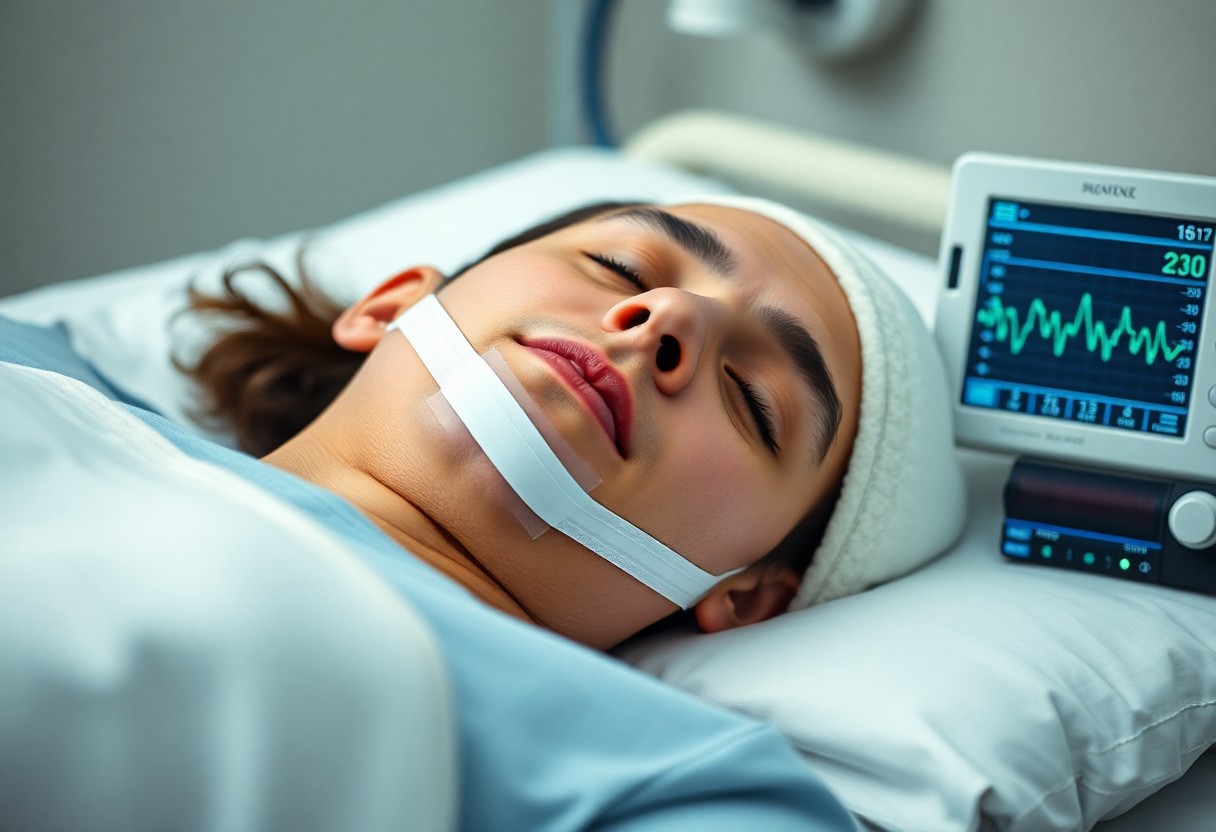
Strategies to Improve Breathing Efficiency
You can boost nap quality by optimizing airflow, CO₂ balance and parasympathetic activation: steady nasal flow lowers inspiratory resistance and supports vagal slowing of heart rate, while mild CO₂ elevation (~+3-5 mmHg) can deepen micro‑sleep whereas larger rises trigger arousal. Animal work links brief respiratory pauses to state transitions (<15 s) - see Respiratory pauses highlight sleep architecture in mice. Severe hypoventilation or hypoxia is dangerous.
Behavioral and positional interventions (nasal breathing, posture)
You should practice nasal breathing and adopt a slightly elevated or lateral posture to reduce collapsibility: nasal inhalation preserves CO₂ homeostasis and enhances parasympathetic dominance during short naps, and a 15-30° head elevation or side‑lying position can cut brief obstructive events in vulnerable sleepers by roughly ~30-50%, improving ventilation without devices.
Devices and therapies (nasal strips, CPAP, targeted stimulation)
Nasal strips can widen the external nasal valve and lower resistance by roughly 10-30%, helping you keep nasal airflow during naps; CPAP (commonly 5-12 cmH₂O) rapidly abolishes obstructive events and stabilizes CO₂/O₂, and targeted stimulation (eg, hypoglossal nerve) reduces airway collapse by about 50-70% in selected patients. Noncompliance or improper settings limit benefit.
You should weigh benefits and limitations: CPAP typically reduces AHI by >80% when used consistently but requires a mask and pressure (4-20 cmH₂O range) that some find intolerable; portable auto‑CPAP can help for daytime naps. Nasal dilator strips are inexpensive, drug‑free aids that improve airflow and subjective ease of breathing-useful for short naps when CPAP isn’t practical-but offer modest objective gains. Targeted stimulation (eg, implantable hypoglossal devices) shows durable AHI reductions (~50-70%) in trials and may be considered when anatomy and prior treatment response predict success. Monitor for mask leaks, nasal dryness or, rarely, worsened gas exchange; untreated obstructive events can cause dangerous desaturation during prolonged micro‑sleep.
To wrap up
So you should focus on airflow, CO₂ balance and parasympathetic activation to optimize your nap quality: steady nasal airflow reduces resistance and hypoventilation, helping maintain appropriate CO₂ levels that cue safe, restorative micro‑sleep and promote parasympathetic dominance for deeper rest; simple aids like nasal strips can lift nasal valves, lower inspiratory effort and stabilize breathing patterns. For clinical background see Sleep-Related Breathing Events | Respiratory Therapy.
FAQ
Q: How does airflow pattern (nasal vs mouth breathing) affect the quality of micro‑sleep episodes?
A: Nasal breathing lowers upper‑airway resistance, humidifies and filters air, and delivers endogenous nitric oxide into the pharynx and lungs, which can enhance oxygen uptake and stabilize ventilation. During micro‑sleep, stable nasal airflow supports a regular, low‑effort breathing pattern that reduces transient arousals and fragmentation. Mouth breathing increases turbulence, evaporative loss, and variability in tidal volume, which can provoke brief wake reactions and shorten or interrupt micro‑sleep bursts. Using interventions that favor nasal flow helps preserve steady ventilation and more continuous micro‑sleep epochs.
Q: In what way does CO₂ balance influence micro‑sleep duration and continuity?
A: CO₂ is the primary chemical driver of ventilation; small shifts alter respiratory drive and cerebral blood flow. Hypocapnia from over‑breathing reduces cerebral blood flow and can increase arousal tendency, fragmenting very short sleep episodes. Mild elevations of CO₂ increase ventilatory drive and may provoke arousal if large, but modest maintenance of baseline CO₂ supports stable respiratory rhythm and sleep continuity. Efficient, low‑resistance nasal breathing helps maintain this balance by preventing compensatory hyperventilation and minimizing rapid fluctuations in end‑tidal CO₂ that disrupt micro‑sleep.
Q: How does parasympathetic activation interact with breathing during micro‑sleep, and how do nasal strips help?
A: Parasympathetic (vagal) dominance during sleep lowers heart rate and promotes slow, regular breathing patterns that deepen short sleep episodes. Breathing that is low‑effort and rhythmical enhances vagal tone; conversely, airway resistance or irregular airflow elevates sympathetic responses and fragments micro‑sleep. Nasal dilator strips mechanically reduce nasal valve collapse and resistance, making it easier to maintain nasal, low‑effort breaths. By stabilizing airflow they encourage parasympathetic predominance, reduce respiratory effort and variability, and therefore increase the likelihood of longer, less interrupted micro‑sleep episodes.
