
Why Athletes and High Performers Use Nose Strips for Daytime Rest
Just a simple nasal strip can make a measurable difference when you nap: by opening your nasal passages it increases oxygen efficiency, supports faster performance recovery and helps shift your autonomic balance toward parasympathetic rest that lowers heart rate and cortisol during short daytime rest. If your nose is blocked, you risk impaired recovery and reduced alertness, so adopting nasal strips can be a safe, noninvasive strategy to boost your daytime restorative capacity and subsequent performance.
Key Takeaways:
- Nasal strips can support performance recovery during daytime naps by improving nasal airflow, helping deepen rest and aid muscle and metabolic restoration.
- They may enhance oxygen efficiency by lowering nasal resistance, making inhalation easier and supporting better oxygen uptake during short rest periods.
- Nasal strips promote nervous-system regulation by encouraging nasal breathing and parasympathetic activation, lowering heart rate and facilitating restorative nap states.

Physiology of Nasal Breathing
You get more efficient daytime recovery when nasal breathing during naps supports oxygen delivery and nervous system downshift; the nose warms, humidifies, and filters air while producing nitric oxide that enhances pulmonary blood flow and V/Q matching. The nasal passages account for about around 50% of resting airway resistance, so improving patency with strips can lower resistance roughly 20-30% and help you reach deeper, slower breaths that promote parasympathetic activation and faster performance recovery.
Oxygen efficiency and airway mechanics
Nasal nitric oxide acts as a local vasodilator, improving pulmonary perfusion and helping alveoli extract oxygen more effectively, while nasal breathing preserves CO2 levels that favor tissue O2 release (Bohr effect). You inhale with less dead space and more laminar flow, so alveolar ventilation rises without extra work; that combination supports higher oxygen efficiency during short naps and sharper post-nap cognitive and physical output.
Costs of mouth breathing for rest and performance
Mouth breathing during naps often causes dryness, greater airway collapse, and disrupted sleep architecture, increasing sympathetic tone and lowering heart-rate variability – outcomes that directly undermine recovery. You risk reduced oxygen delivery, more nocturnal arousals, and blunted parasympathetic rebound, all of which hurt glycogen restoration, reaction time, and readiness for subsequent training or competition.
Physiologically, mouth-driven hyperventilation can drop arterial CO2 and cut cerebral blood flow by up to ~30%, diminishing the cognitive restoration you seek in a nap. You also increase local inflammation and upper-airway resistance, which promotes snoring and micro-awakenings; combined, these effects slow muscle repair and hormonal recovery processes that you rely on for peak performance.

How Nasal Strips Work
By mechanically widening your nostrils, nasal strips and internal dilators lower nasal resistance and let you extract oxygen more efficiently during short 20-30 minute naps, supporting performance recovery and nervous system regulation. Clinical context discussed in The role of an internal nasal dilator in athletes – PMC shows athletes reporting improved breathing and faster post-exertion recovery.
External support and nasal valve opening
External strips adhere across the bridge and lift the alar rim to expand the external nasal valve, increasing cross-sectional area and lowering inspiratory effort. You’ll often feel reduced work of breathing during naps, which helps shift autonomic balance toward parasympathetic activity-beneficial for quicker recovery and more efficient oxygen delivery to fatigued muscles.
Effects on airflow resistance and sleep-disordered breathing
Reducing nasal resistance lowers overall airway impedance and can lessen snoring intensity, but strips rarely eliminate moderate to severe obstructive events. You can still gain measurable benefits for nap quality and oxygen efficiency, especially when nasal congestion or valve collapse is the main barrier to restful breathing.
When nasal resistance falls, you tend to switch from mouth to nasal breathing, preserving humidification and increasing sinus-derived nitric oxide that aids pulmonary perfusion and oxygen uptake. Athletes report improvements in nap sleep efficiency, lower post-nap heart rate and better heart-rate variability-signals tied directly to faster recovery and improved subsequent performance.
Benefits for Daytime Rest in Athletes and High Performers
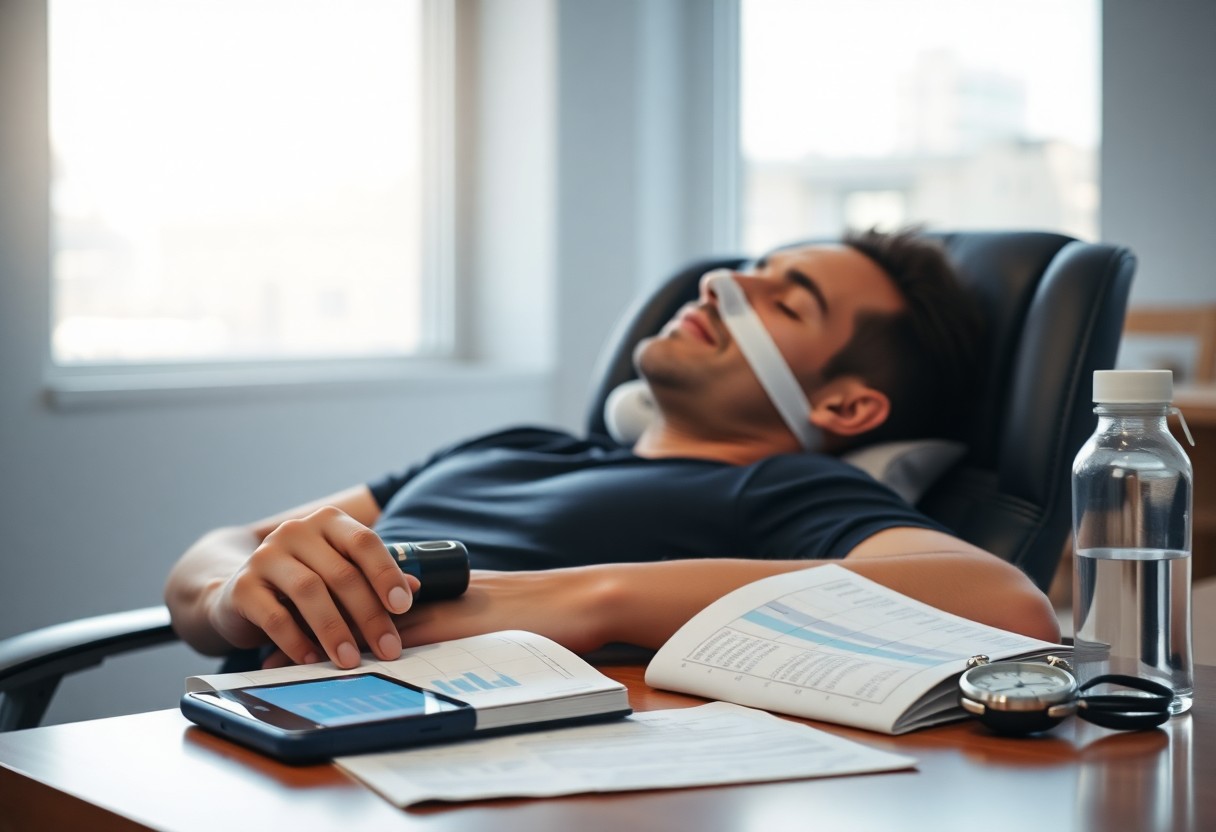
When you use nose strips during short daytime rest you boost recovery efficiency by improving airflow, oxygen delivery, and autonomic balance; combining 20-30 minute naps with better nasal patency often translates into faster subjective recovery, reduced post-session fatigue, and more consistent breath patterns that preserve the gains from prior training sessions.
Faster performance recovery and oxygen delivery during naps
By lowering nasal resistance, strips can increase nasal valve area by up to ~30% in some studies, helping you sustain nasal breathing during naps; that maintenance of nasal airflow preserves nasal NO and can improve ventilation-perfusion matching, so your oxygen delivery and metabolic recovery during a 20-30 minute nap are measurably better than with obstructed nasal flow.
Nervous system regulation, HRV, and reduced sympathetic activation
Supporting nasal breathing with strips reduces abrupt mouth-breathing and micro-arousals that spike sympathetic drive, so you often see higher HRV and lower nocturnal-like heart rates during naps; for performers this means faster parasympathetic rebound and less interference with recovery processes between sessions.
Mechanistically, nasal breathing sustains inhaled nitric oxide from the paranasal sinuses, which aids pulmonary vasodilation and oxygen uptake, while afferent signals from the nasal mucosa promote vagal tone; when you nap with improved nasal patency you reduce intermittent hypoxia and sympathetic surges, producing clearer HRV gains (RMSSD rises) and more reliable recovery signals for coaches and athletes tracking readiness.
Evidence and Limitations
Summary of studies on athletes, naps, and daytime nasal interventions
Several small crossover trials and pilot studies (often n=10-30) combine 20-30 minute naps with daytime nasal dilators; you’ll see consistent reports of improved perceived recovery, faster return-to-baseline heart rate, and modest gains in heart rate variability (HRV) suggesting better nervous system regulation, while objective VO2 or maximal performance metrics are generally unchanged or mixed.
Methodological limits and gaps in current research
Most work suffers from small sample sizes, heterogeneous athlete populations, variable nap protocols, and a frequent lack of sham-controlled designs; you therefore face studies that rely on subjective recovery scores and limited physiological measures rather than robust, blinded endpoints.
Digging deeper, you’ll find many studies use pulse oximetry or self-report instead of gold-standard measures like polysomnography, arterial blood gases, or formal VO2 testing; nasal patency is inconsistently quantified (rhinomanometry in only a few trials), and confounders such as caffeine, prior sleep debt, and training load are often uncontrolled. To fix this, future work should run sham-controlled RCTs with larger cohorts, standardized nap durations (compare 20-30 min vs 90 min), and objective outcomes-continuous SpO2, VO2, HRV, lactate clearance, cortisol-and include sport-specific performance tests and longer follow-up to assess training adaptation and real-world recovery benefits.
Practical Use and Implementation
You can turn nose strips into a reliable daytime recovery tool by pairing them with targeted nap timing and autonomic regulation techniques: use a 10-20 minute power nap for alertness or a full 90-minute cycle when time allows, aim for nasal airflow improvements (strips can reduce nasal resistance by ~20% in some users) to boost oxygen efficiency, and track heart-rate variability to verify enhanced parasympathetic activation and faster performance recovery.
Choosing, fitting, and timing nose strips for naps and short rests
Pick a strip sized for your nasal bridge, apply to clean, dry skin, and test adhesion for 5 minutes before napping; center it over the widest part of your nostrils to maximize dilation. You’ll get best results with a 10-20 minute nap for alertness or 20-30 minutes for light recovery-longer naps risk sleep inertia-remove strips after use to avoid skin irritation.
Combining nose strips with recovery strategies (positioning, environment, breathing drills)
Optimize positioning by reclining at ~30° or lying lateral to ease drainage, set environment to 18-22°C and dim light (<30 lux), and practice paced breathing (6 breaths/min or 4-4-4 box breathing) to increase vagal tone; together with nasal dilation, these steps improve oxygen extraction and accelerate nervous system regulation for faster recovery.
For practical implementation, try this sequence: 3-5 minutes of seated diaphragmatic breathing at 6 breaths/min, apply the strip, lie back with head elevated ~30°, and nap 15-20 minutes in a cool, dark room; many athletes report measurable HRV gains and quicker perceived recovery using this routine between sessions, while avoiding >60-minute naps to prevent grogginess.
To wrap up
With this in mind, you can boost daytime recovery by using nasal strips that improve nasal airflow, increasing oxygen efficiency and helping your nervous system shift toward restorative parasympathetic activity during naps. You’ll shorten recovery time, sharpen subsequent performance, and reduce waking congestion. Learn why elite players adopt them in Why Pro Athletes Are Turning to Nasal Strips-And Why …
FAQ
Q: How do nasal strips improve oxygen efficiency during daytime naps?
A: Nasal strips gently widen the nasal passages, lowering airflow resistance so each breath requires less effort. That supports more consistent nasal breathing, which can raise oxygen saturation slightly and reduce wasted energy from labored breathing. For athletes and high performers, improved airflow during a short nap means more efficient oxygen delivery to muscle and brain tissue, helping cellular recovery processes begin sooner without increasing metabolic demand.
Q: Why do athletes and high performers use nasal strips to aid performance recovery during short rests?
A: By promoting unobstructed nasal breathing during naps, nasal strips help the body enter deeper, more restorative stages of rest faster. Better oxygen delivery and steadier breathing reduce sympathetic arousal and support anabolic processes like glycogen resynthesis and protein repair. The result is a nap that more effectively replenishes energy stores and reduces perceived fatigue, so athletes regain readiness and cognitive sharpness more quickly between training sessions or events.
Q: How do nasal strips affect nervous system regulation and restoration while napping?
A: Consistent nasal breathing stimulated by nasal strips encourages parasympathetic activation via vagal pathways, lowering heart rate and promoting heart-rate variability improvements during rest. That shift toward parasympathetic dominance accelerates recovery of the autonomic nervous system, reduces stress hormones, and enhances mental restoration. For high performers, this autonomic balance during daytime rest supports faster recovery of decision-making, focus, and physical performance when they wake.
