
Restful Naps for Sleep Apnea Patients – Common Mistakes to Avoid {Beginner‑friendly article aimed at improving safety and comfort.
You can make naps safe and restorative by avoiding common errors: napping without your CPAP or prescribed therapy can worsen breathing and increase risk, keep naps to 20-30 minutes to boost daytime alertness without disrupting night sleep, favor a semi‑upright position to reduce airway collapse, ensure a secure mask seal, and avoid alcohol or sedatives beforehand to maintain safe, comfortable rest.
Key Takeaways:
- Use your CPAP or prescribed device during naps; check mask seal and pressure settings before lying down to keep airways open and improve comfort.
- Keep naps short (15-30 minutes) and taken earlier in the day in a quiet, reclined position to avoid interfering with nighttime sleep.
- Avoid alcohol, sedatives, and driving while drowsy; if you still have loud snoring, gasping, or extreme daytime sleepiness, contact your sleep provider.
Understanding Sleep Apnea
When you nap with sleep apnea, understanding prevalence and risk helps you make safer choices: estimates put obstructive sleep apnea in roughly 9-38% of adults, rising with age and obesity. You should treat naps like mini-sleep episodes-check mask fit and pressure, avoid sedatives, and plan 20-40 minute naps to lower REM-related collapse. Studies link untreated apnea to daytime sleepiness and higher accident risk, so use your treatment during naps to prevent oxygen drops and sudden wake-ups.
What is Sleep Apnea?
Obstructive sleep apnea happens when your upper airway repeatedly collapses during sleep, causing breathing pauses; central sleep apnea reflects a lapse in respiratory drive. Severity is measured by the apnea-hypopnea index (AHI): 5-15 events/hour is mild, 15-30 moderate, and >30 severe. Each event can cause brief arousals and oxygen desaturations that fragment restorative sleep and reduce nap benefit.
Symptoms and Diagnosis
You often notice loud snoring, witnessed pauses, choking or gasping, and pronounced daytime sleepiness; morning headaches, poor concentration, and high blood pressure are common. Diagnosis uses in-lab polysomnography or validated home sleep apnea testing (HSAT), which report AHI and oxygen saturation. If you experience frequent pauses or daytime impairment, testing lets clinicians prescribe appropriate therapy such as CPAP.
Testing also reveals oxygen desaturation severity-drops below 90% raise cardiovascular risk and influence treatment urgency. Your therapy choice depends on AHI, comorbidities, and tolerability; for example, an AHI >15 often leads to PAP therapy, while positional therapy or oral appliances may suit mild cases. For safer naps you should follow prescribed pressure settings and report worsening symptoms between visits.
The Importance of Naps for Sleep Apnea Patients
Napping can be a practical tool to reduce daytime sleepiness and improve safety if you have sleep apnea; short naps (10-30 minutes) often restore alertness without disrupting night sleep, while longer naps risk sleep inertia. Studies show brief naps boost vigilance and reaction time, which matters if you drive or operate machinery. You should always plan naps around your CPAP use to maintain oxygenation and minimize risks of desaturation during sleep.
Benefits of Napping
You gain clearer thinking, faster reaction times, and reduced microsleeps from well-timed naps: a 10-20 minute nap commonly improves alertness for several hours. For cognitive tasks, naps help memory consolidation and learning; nurses and shift workers report measurable performance gains after brief naps. If you use CPAP, napping with your device preserves these benefits while lowering the chance of oxygen drops and daytime impairment.
Ideal Duration and Timing
Aim for a 10-30 minute nap early afternoon (roughly 1-3 pm) to maximize alertness without harming nighttime sleep; shorter power naps reduce sleep pressure, while a full 90-minute nap allows a complete sleep cycle if you need deeper recovery. Avoid late-afternoon naps after 4 pm to prevent difficulty falling asleep at night, and make sure your CPAP is on to keep airways open.
As a practical example, set a 20-minute alarm and lie down with your mask and pressure verified-this typically restores alertness with minimal sleep inertia. If you require a 60-90 minute nap for catch-up sleep, expect some grogginess for 10-30 minutes afterward and plan a buffer before driving. Track how different durations affect your nighttime sleep and daytime oxygen readings to find your optimal nap strategy.
Common Mistakes to Avoid
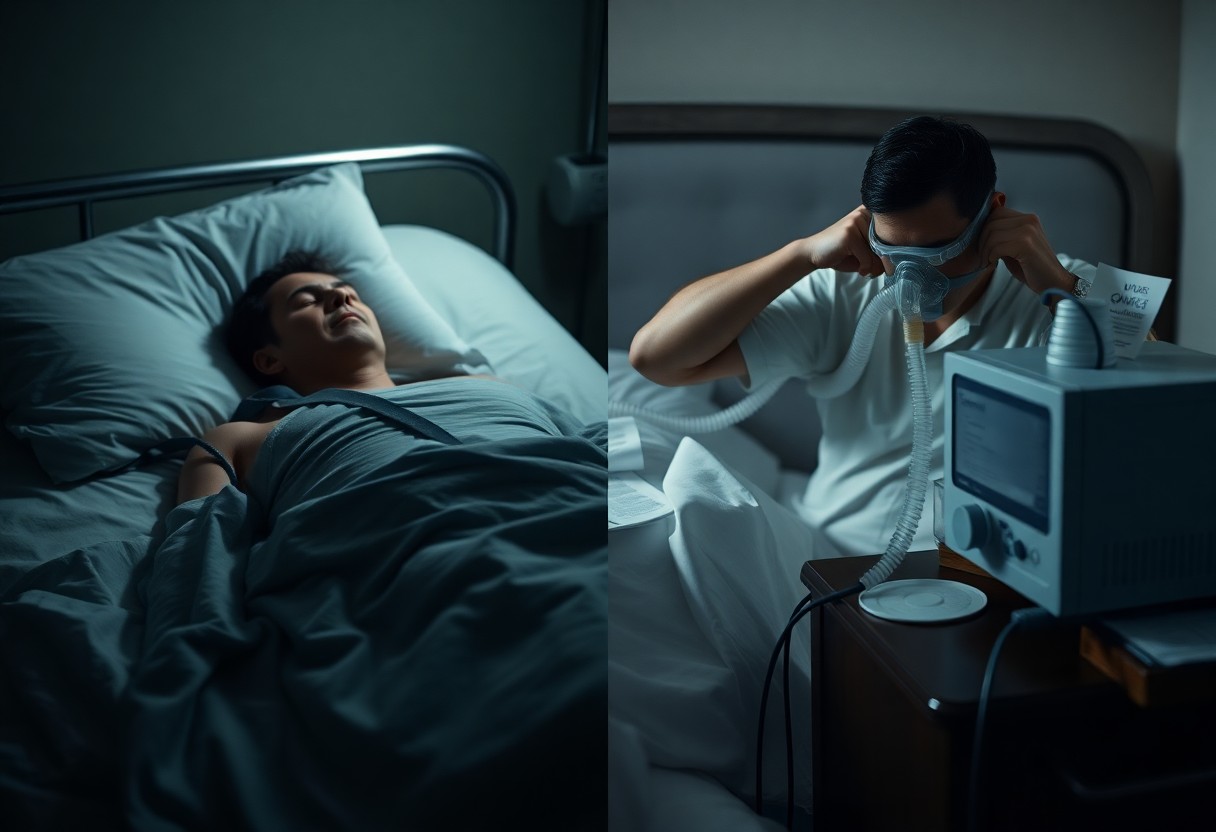
Overlooking device use, napping at irregular times, and taking overly long naps are the most frequent errors that worsen daytime function for people with sleep apnea. If you skip your CPAP during naps or nap late in the day, you double your risk of sleep inertia and impaired driving; studies link untreated daytime sleepiness to roughly a 2× increase in accident risk. Prioritize short, timed naps with your prescribed therapy to reduce danger and boost alertness.
Napping Too Long
If you nap beyond about 30 minutes, you risk entering deep sleep and suffering sleep inertia that can last 30-90 minutes, leaving you groggy and unsafe for tasks like driving. Aim for a 10-20 minute power nap to boost alertness without deep-stage entry, and always use your CPAP or prescribed device during the nap so apneic events don’t increase while you sleep.
Inconsistent Sleep Schedule
Irrregular nap and nighttime timing disrupts your circadian rhythm and fragments sleep, making CPAP less effective and increasing daytime sleepiness; shift workers show higher rates of sleep-disordered breathing and accidents. Try to keep naps within the same 1-2 hour window each day and align them with your main sleep period to stabilize breathing patterns and daytime alertness.
More specifically, if you vary your nap times by several hours or sleep at different times on weekends, your sleep efficiency can drop and apneic events may become more frequent or severe. Use a simple schedule-same nap start time, limit to 20 minutes, and pair it with your regular CPAP settings-to maintain consistent airway support and reduce variability in daytime sleepiness.
Creating the Right Nap Environment
Dim lighting, minimal noise, and a cool room between 60-67°F (15-19°C) help you fall asleep faster and reduce apneic severity. For brief restorative naps aim for 10-30 minutes and keep your CPAP or prescribed device running to maintain airway patency; using it during naps can cut apnea events substantially. Also avoid alcohol or sedatives for at least 6 hours before napping to lower the risk of prolonged obstruction.
Optimal Conditions for Napping
Choose lateral or semi‑recumbent positions because you may see fewer events on your side, and elevating your head about 30° often reduces collapses. Keep ambient noise under ~40 dB and dim lights-limit blue light for 30 minutes before lying down. Check your mask fit before you lie down and plan a single 10-30 minute nap to avoid deep sleep inertia that can impair next‑hour alertness.
Tools and Techniques for Comfort
Use a CPAP humidifier and heated tubing to prevent nasal dryness and mask leaks so you stay comfortable; nasal pillow masks often feel less intrusive for short naps while full‑face masks suit mouth breathers. Check your mask seal and pressure settings each time, and carry spare cushions-minor leaks during a nap can negate therapy effectiveness.
Add foam earplugs (NRR ~30 dB) or a white‑noise device at ~45 dB to help you sleep undisturbed, and pick a CPAP‑compatible pillow with side cutouts to protect the seal. Replace mask cushions every 3 months so you keep a good seal, keep tubing untangled, and note that small gear tweaks often raise your nap effectiveness and overall adherence.
Tips for Safe and Restful Naps
Quick checks before lying down reduce risk and improve nap quality: test your mask seal, confirm your CPAP pressure feels correct, and favor a side-sleeping position if you collapse supine. Keep naps to 20-30 minutes to avoid deep-sleep inertia, and avoid alcohol or sedatives within 6 hours because they increase airway collapse and oxygen desaturation. This small routine prevents common mistakes and promotes safer daytime rest.
- CPAP – check fit, tubing, and battery before you lie down
- Mask seal – adjust straps to stop leaks without overtightening
- Pressure settings – confirm prescribed pressure or auto mode is active
- Positioning – use pillows to keep your head elevated or promote side-sleeping
- Avoid alcohol – skip drinking within 6 hours of napping
Breathing Techniques
Practice diaphragmatic breathing for 5-10 minutes before you nap: inhale slowly through the nose for 4-5 seconds, let the belly expand, then exhale for 6-8 seconds to reach ~4-6 breaths per minute; this slows heart rate and supports stable oxygenation while using CPAP. If you feel lightheaded, stop and breathe normally; if you have COPD or heart disease, check with your provider before changing patterns.
Mindfulness and Relaxation Strategies
Use short, guided methods to lower arousal: try a 10-minute progressive muscle relaxation or 8-minute body-scan from a reputable app (many users report faster nap onset). Focused imagery-picture a quiet beach or a repetitive motion-reduces sympathetic activity and can make your CPAP feel more tolerable while you settle. This approach helps you fall asleep faster and wake refreshed.
For a practical 10-minute routine: start with 2 minutes of slow nasal breathing, then tense and release muscle groups for 5-7 seconds each from feet to jaw (the progressive muscle relaxation sequence), finish with 2-3 minutes of guided imagery or counting breaths. You can use offline audio or apps, test it during noncritical days, and pair it with your mask on to ensure comfort before relying on it for regular naps.
Monitoring Your Health
Track nap and night patterns by checking your CPAP report, pulse oximeter, and symptoms after naps. You should watch CPAP usage hours, residual AHI from the device, and overnight or nap SpO2 readings under 90%. Aim to spot trends-worse leaks, rising AHI, or recurring daytime sleepiness signal a need to act.
Keeping a Sleep Diary
Record nap start and end times, whether you used CPAP, mask fit/leaks, and a 0-10 sleepiness score after each nap. Log caffeine, medications, alcohol, and environment details (room temp 60-67°F, noise). Note if naps over 30 minutes leave you groggy; two weeks of entries often reveal patterns clinicians can use.
When to Consult a Healthcare Professional
If you have new loud gasping, daytime sleepiness that impairs driving or work, SpO2 consistently below 90%, or device reports residual AHI above 10 events/hour, contact your provider. Seek immediate care for chest pain, fainting, or severe breathlessness. For persistent but non-emergent problems, arrange a review within 1-2 weeks.
During a review your clinician may download CPAP logs to check usage, leak rates, and residual AHI; they can adjust pressure settings, try a different mask, or order an in‑lab titration or repeat polysomnography. Expect evaluation for cardiac or pulmonary contributors and guidance to aim for ≥4 hours/night of therapy to document benefit and guide insurance or treatment changes.
Final Words
So you can improve safety and comfort during naps by using your CPAP when advised, keeping naps short and semi‑upright, avoiding alcohol or sedatives, and monitoring daytime symptoms; if problems continue, consult your sleep clinician for personalized adjustments. For practical guidance see Napping and Sleep Apnea Odessa | Steve W. Cobb …
FAQ
Q: Can I skip my CPAP during naps if I usually use it at night?
A: Skipping CPAP for naps is a frequent mistake because untreated apneas can still occur during short sleep periods. Wear your device if your clinician prescribed it for all sleep, including naps. If mask discomfort or pressure ramp makes naps difficult, try lowering the ramp duration, using a softer mask or nasal pillows, or testing a portable or travel setting recommended by your provider. Practice putting the mask on and taking short practice naps while fully awake to get comfortable. If you feel unusually breathless, very sleepy, or have new symptoms when using CPAP for naps, contact your sleep clinician before changing therapy.
Q: How long and when should I nap to avoid upsetting nighttime sleep?
A: Napping too long or too late can reduce sleep drive and fragment nighttime sleep. Aim for a brief nap of about 10-30 minutes in the early afternoon (typically 1-3 pm) to boost alertness without entering deep sleep that causes grogginess. Avoid naps longer than 60-90 minutes and avoid napping after mid-afternoon. Set an alarm, plan naps after light meals, and align nap timing with your sleep schedule and any medications to reduce the chance of interfering with nighttime sleep.
Q: What environmental or positioning mistakes reduce safety and comfort during naps for sleep apnea patients?
A: Common errors include napping in unsafe places (cars, uneven recliners), using pillows that block airflow or press the mask into the face, and lying flat on the back if that worsens your apneas. Create a safe nap environment: nap in a bed or reclining chair with proper head elevation if recommended; use a CPAP-friendly pillow to reduce mask leaks; secure tubing so it can’t tangle; avoid alcohol or sedatives before naps; and keep humidifier water sealed to prevent spills. If you have severe apnea or live alone and are concerned about breathing during naps, arrange supervision or discuss remote monitoring or alarms with your clinician.
