
Why Your Nose Collapses When You Lie Down-and How Nose Strips Help
It’s common for your nasal valve to narrow when you lie down, causing reduced airflow and fragmented sleep; this mechanical collapse during rest or naps can make breathing feel difficult and aggravate underlying conditions (see Nasal Valve Collapse Symptoms: Key Signs and Causes to Know). External nasal strips lift and widen the soft tissues, mechanically improving airflow so you breathe easier and sleep better.
Key Takeaways:
- Lying down reduces nasal muscle tone and lets soft tissues and the lateral nasal wall collapse inward, narrowing the internal nasal valve and raising airflow resistance during rest or naps.
- External nasal strips adhere across the bridge and mechanically lift and splint the nasal sidewalls, widening the external valve and increasing the airway cross-sectional area to improve airflow.
- Nasal strips offer immediate, noninvasive relief for positional collapse but do not correct internal structural issues (e.g., severe septal deviation); effectiveness varies by anatomy and strip placement.
Anatomy of the nasal valve and support structures
Internal vs external nasal valve: location and function
The internal nasal valve sits deep-between the septum, the caudal edge of the upper lateral cartilage and the anterior head of the inferior turbinate-and forms the narrowest airway segment, typically a 10-15° angle; it contributes roughly 50-60% of resting nasal resistance. The external valve is at the nostril rim formed by the lower lateral (alar) cartilages and soft tissue and acts as the entrance support. When either region narrows, your airflow drops and snoring or mouth-breathing often follows.
Cartilage, soft tissue, and airflow dynamics
Cartilage provides the scaffold while soft tissue and mucosa add pliability; when you lie supine or nap, reduced neuromuscular tone and negative inspiratory pressure let the lateral walls fall inward, producing valve collapse. Because airflow resistance is highly sensitive to radius, even small inward movement sharply raises resistance. External nasal strips adhere across the bridge and alae, mechanically pulling the lateral walls outward to increase patency and reduce obstruction during rest.
Mechanically, airflow follows Poiseuille’s relationship so a 10% decrease in nasal radius can raise resistance by ~52%, which explains why slight wall collapse feels severe. In practice, external dilators that expand cross-sectional area by ~15-30% translate into sizeable resistance drops and better subjective breathing; you’ll often notice less snoring and easier inhalation because the strip redistributes the inward forces that otherwise let the soft tissue collapse during low-tone rest periods.

Why the nose can collapse when you lie down
Your internal nasal valve-normally about 10-15°-accounts for roughly 50-60% of nasal airway resistance, so when you lie flat the combination of reduced lateral support and mucosal swelling can sharply cut airflow; clinicians describe this as positional nasal valve compromise. See Nasal Valve Collapse: Symptoms, Causes, Test & Treatment for details. External nasal strips can mechanically widen the valve, restoring cross-sectional area and easing breathing during rest or naps.
Positional effects: gravity, mucosal pooling, venous engorgement
When you lie on your back, gravity and increased venous pressure promote mucosal pooling and venous engorgement, thickening the lining within minutes and narrowing the airway; lateral cartilages can shift inward under the same forces, so your subjective obstruction often becomes notably worse during short naps or supine sleep.
How reduced structural support and airflow resistance interact
If your lateral cartilage is weakened by prior rhinoplasty, trauma, or age-related loss of elasticity, your structural scaffold no longer resists inward collapse; coupled with the nasal valve’s outsized role in resistance, even modest mucosal swelling can produce a big drop in airflow. External nasal strips work by lifting the superficial tissues and increasing valve diameter, reducing resistance without invasive measures.
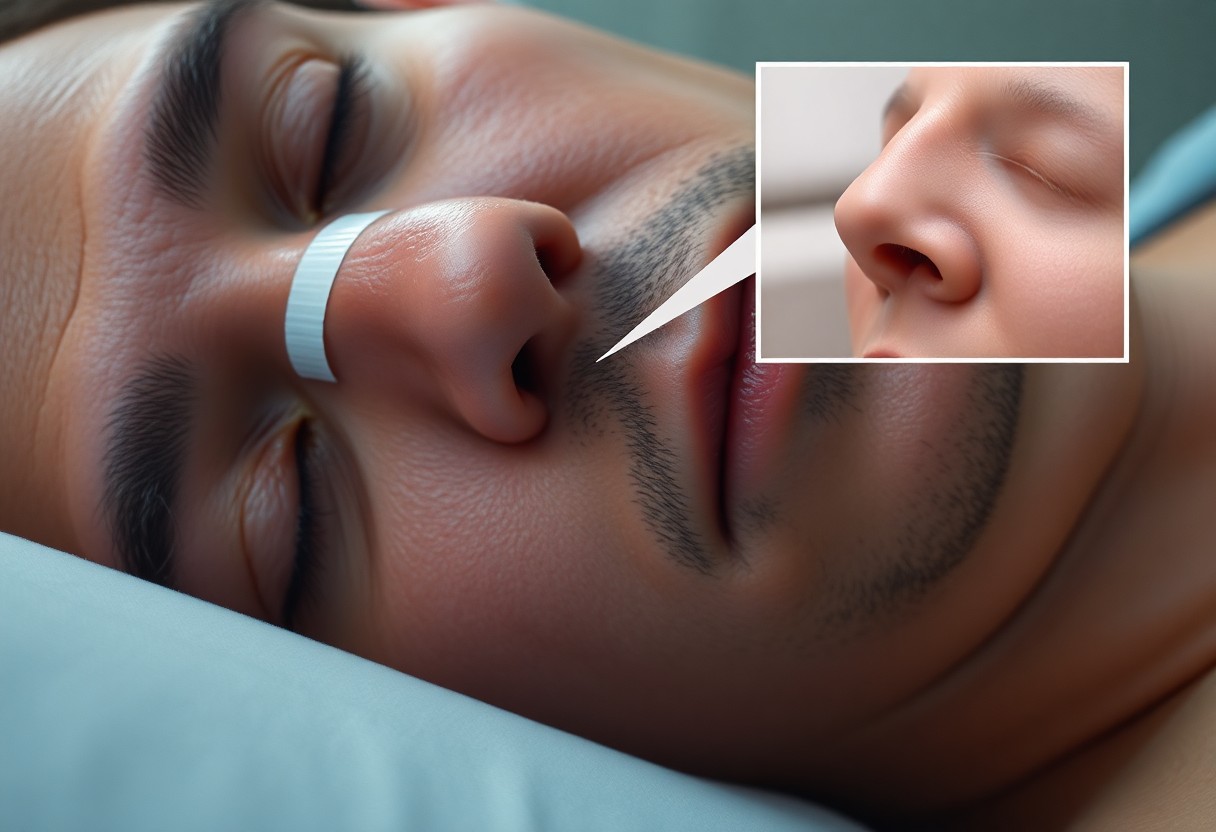
Mechanically, when the valve narrows the local airflow velocity rises and generates negative intranasal pressure that pulls the walls inward (the Bernoulli effect), promoting dynamic collapse-this is especially pronounced when your phasic muscle tone falls during rest. By externally splinting the alar rim, strips counteract that suction, helping keep the airway open during naps and brief supine periods.
Common risk factors and contributors
When you lie down or nap, reduced muscle tone lets the lateral nasal wall sag, producing nasal valve collapse that often accounts for 50-60% of nasal airflow resistance; factors like weak cartilage, a deviated septum, allergic mucosal swelling, increased weight and age-related laxity all raise your risk. External nasal strips mechanically lift and splint the external valve, widening the cross-sectional area and improving airflow by roughly 20-30%. Knowing how these factors interact helps you pick effective, targeted relief.
- Weak lateral cartilage
- Septal deviation
- Allergic or chronic rhinitis
- Increased weight / soft-tissue pressure
- Age-related cartilage laxity
Structural predispositions: weak lateral cartilage, septal deviation
If your lateral cartilage is thin from genetics, trauma, or prior surgery, the valve collapses more easily when you recline; a septal deviation can reduce the airway on one side by over 40%, making naps feel obstructed. You will often notice unilateral blockage or flaring with effort. External nasal strips externally lift and stabilize the lateral wall, providing immediate mechanical improvement in patency without invasive intervention.
Medical and lifestyle contributors: rhinitis, allergies, weight, age
Allergic and chronic rhinitis inflame the mucosa and can halve your available airway during flare-ups; seasonal allergies affect 10-30% of adults and worsen nap-time obstruction. Extra weight increases peri-nasal soft-tissue pressure, while aging reduces cartilage stiffness, both promoting collapse. External nasal strips counter these effects by mechanically increasing valve area and lowering resistance, offering a simple adjunct to medical therapy.
When you combine approaches, outcomes improve: intranasal steroids or antihistamines reduce mucosal swelling while strips give immediate mechanical widening-trials report subjective breathing scores rising by ~20-30% and objective nasal resistance dropping up to 25% with dilators. If you are obese, modest weight loss often decreases nocturnal obstruction; if age or severe deviation drives collapse, strips can help symptomatically but surgical correction may be the definitive solution.
Symptoms and downstream consequences
Nocturnal breathing problems: congestion, snoring, disrupted sleep
When you lie down or nap, the nasal valve-responsible for roughly 50% of nasal airway resistance-can narrow as soft tissues relax, producing marked congestion, louder snoring and repeated arousals. You may wake gasping or feel that your nose is “closed” despite no congestion history. External nasal strips mechanically lift the lateral nasal walls, increasing cross-sectional area and can reduce resistance by about 20-30%, often cutting snore intensity and improving airflow during rest.
Daytime effects: fatigue, mouth breathing, reduced quality of life
Persistent nocturnal obstruction pushes you to breathe through your mouth, which leads to dry mouth, sore throat and fragmented sleep that shows up as daytime fatigue, poor concentration and lower mood. You may notice reduced productivity, increased irritability and avoidance of social situations because of snoring or daytime tiredness; addressing nasal valve collapse at night often eases these daytime consequences.
In more detail, chronic mouth breathing increases oral dryness and raises the risk of dental irritation and halitosis, while fragmented sleep elevates your subjective sleepiness and impairs attention-studies link nasal obstruction to measurable drops in cognitive performance and work efficiency. You can test improvement quickly: many users report better morning alertness and fewer naps within days of using external nasal strips, since the strips provide an immediate mechanical widening of the collapsed valve and restore nasal breathing during sleep. Improved airflow at night often converts directly into clearer cognition and fewer daytime symptoms.
How clinicians evaluate nasal valve collapse
When clinicians evaluate nasal valve collapse they watch how you breathe supine and during inspiration, since the internal nasal valve contributes to about 50-60% of nasal airway resistance. They combine inspection, nasal endoscopy and objective tests (rhinomanometry, acoustic rhinometry) to measure cross-sectional area and flow. External nasal strips you use can serve diagnostically by mechanically widening the valve, often increasing cross-sectional area by ~10-20% and lowering resistance, which helps distinguish external valve collapse from internal causes.
Physical exam, nasal endoscopy, and dynamic maneuvers
During the physical exam clinicians observe your alar rim during deep inspiration and perform the Cottle or modified Cottle maneuver-pulling the cheek laterally to see if airflow improves. Nasal endoscopy permits direct visualization of dynamic collapse, mucosal disease, septal deviation, or turbinate hypertrophy. Objective dynamic testing like rhinomanometry quantifies resistance changes when you go supine or when external nasal strips are applied, giving measurable data to guide treatment decisions.
Simple home observations and when to seek ENT assessment
When you track symptoms at home, note if obstruction worsens when supine, during naps, or within minutes of lying down, and whether nasal strips give rapid relief. Keep a diary for >2 weeks recording frequency, side, and sleepiness (Epworth Sleepiness Scale; >10 is concerning). Seek ENT evaluation if obstruction persists >4 weeks, you have recurrent sinus infections, heavy snoring, or significant daytime sleepiness.
Record short videos of your nostrils while lying supine and during deep inspiration, time how quickly strips improve airflow, and estimate percent relief-if you report >50% subjective improvement with strips but persistent nighttime obstruction, bring videos and a 2‑week diary to ENT. Objective tests (rhinomanometry, acoustic rhinometry) can confirm reduced cross-sectional area; when conservative measures fail, surgical options such as spreader grafts, alar batten grafts, or functional rhinoplasty may be considered.
How external nasal strips mechanically improve airflow
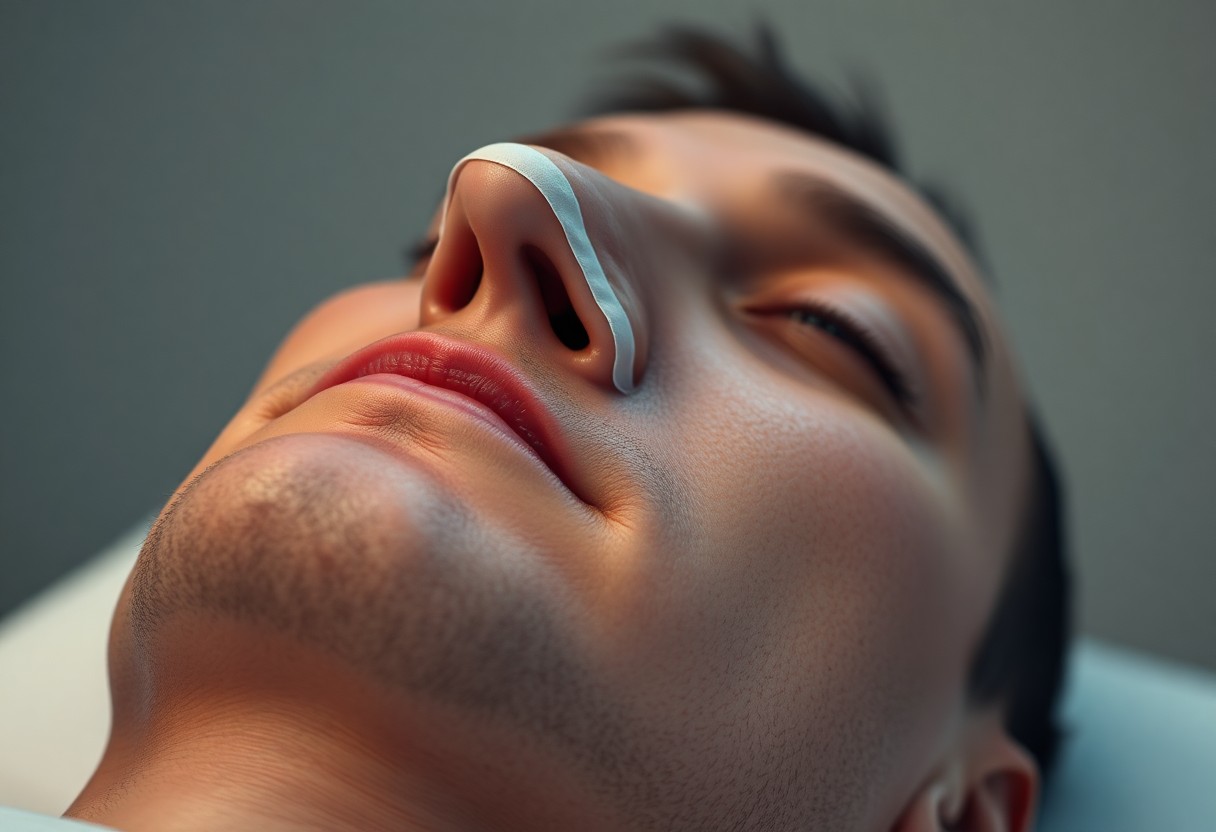
When your nasal valve narrows during rest or naps-often from soft tissue sagging and reduced lateral wall tension-external nasal strips act like external splints: adhesive bands with embedded spring elements lift the skin and lateral cartilages, increasing the valve cross‑section. Clinical measures show immediate increases in nasal airflow and peak nasal inspiratory flow (PNIF) by roughly 20-30% for many users, providing rapid, drug‑free relief without internal devices.
Mechanical action: lifting the nasal sidewalls, widening the valve, reducing resistance
The strips pull the lateral nasal sidewalls outward, widening the internal/external valve angle (normally ~10-15°) and enlarging the narrowest airway segment. Because airway resistance changes steeply with radius (flow scales approximately with r^4 in laminar theory), even millimeter‑level widening can produce a large drop in resistance, so you often feel markedly easier breathing with simple external support.
Benefits, limitations, and appropriate use (temporary aid vs definitive treatment)
You get immediate, non‑invasive improvement for mild‑to‑moderate dynamic collapse, useful for naps, sleep, exercise, or pregnancy‑related congestion. Limitations include adhesive irritation, limited effect for severe septal or structural defects, and no anatomical correction. Use strips as a short‑term trial (several nights) or adjunct to medical therapy; consider definitive ENT evaluation if obstruction persists or worsens despite consistent strip use.
For decision‑making, compare objective tests: PNIF or rhinomanometry before/after a strip can quantify benefit; if you gain >20% PNIF and symptom relief, conservative management is reasonable. Avoid relying on strips when you have recurrent epistaxis, facial trauma, or skin allergy. Seek ENT assessment if obstruction is constant, disabling, or accompanied by bleeding, as surgery or cartilage grafting may be the definitive solution.
Conclusion
Following this, when you lie down or nap, reduced muscle tone and gravity can let your nasal valve narrow or collapse, increasing resistance and making breathing harder; external nasal strips adhere to the skin and lift the nasal sidewalls, mechanically widening the valve and improving airflow so you breathe easier during rest. For product guidance, see Are You Using Breathe Right® Strips?
FAQ
Q: Why does my nose feel like it collapses when I lie down or take a nap?
A: When you lie down the smallest, most vulnerable portion of the airway-the nasal valve-can narrow further. Gravity and reduced muscle tone allow the lateral nasal walls and soft tissues to shift inward; at the same time blood pools in nasal mucosa, causing mild congestion. During inhalation the negative pressure inside the nose can pull the weakened sidewall inward (dynamic collapse), making airflow feel restricted. The result is a sensation of “collapse” or marked blockage when supine or during short naps.
Q: What exactly is nasal valve collapse during rest or naps?
A: The nasal valve is the narrowest part of the nasal airway and consists of the internal angle formed by the septum and upper lateral cartilage plus the external nostril rim and surrounding soft tissue. Collapse can be static (structural weakness, prior surgery or trauma) or dynamic (normal structures pulled inward by inspiratory airflow). During rest the supporting muscles relax and mucosal swelling increases, so a valve that functions while upright may become partially occluded when you are supine. The functional effect is a reduced cross-sectional area and higher airflow resistance, which makes breathing through the nose feel difficult.
Q: How do nasal strips improve airflow and what are their limits?
A: External nasal strips are adhesive bands with spring-like embedded strips that stick across the nose over the sidewalls. They pull the skin and soft tissue outward, acting as a mechanical splint that widens the external nasal valve and increases the cross-sectional area of the airway. By enlarging the opening they reduce airflow resistance and lessen dynamic collapse during inspiration, often providing immediate relief without medication. Limits: they mainly address the external valve and mild-to-moderate dynamic collapse; they are less effective for internal valve obstruction, large septal deviations, severe structural defects or significant mucosal disease. Possible downsides include skin irritation or loss of adhesion; persistent or severe obstruction should be evaluated by an otolaryngologist.
