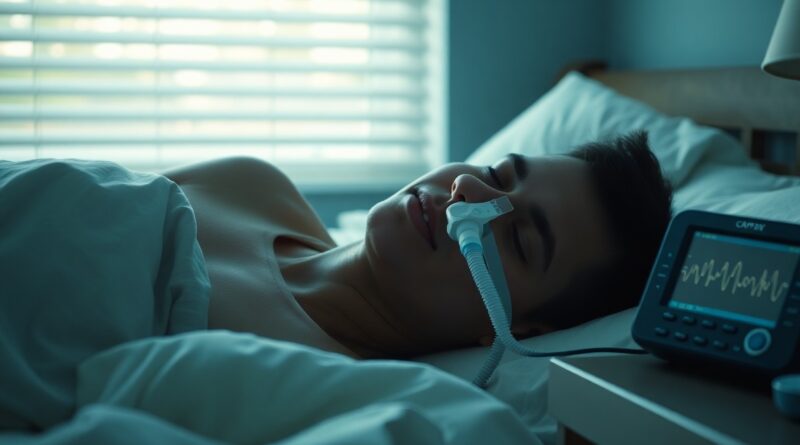
Why Naps Feel Unrefreshing Without CPAP or Oral Appliance {Problem‑solving article explaining fragmented sleep and apnea events.
It’s common to feel unrefreshed after a nap because sleep apnea causes fragmented sleep, with repeated micro-arousals and oxygen desaturations that prevent deep restorative stages; without CPAP or an oral appliance to keep your airway open, you experience a string of interrupted breaths rather than restorative rest, raising daytime sleepiness and cardiovascular risk-treating the underlying airway collapse restores meaningful, restorative sleep.
Key Takeaways:
- Sleep-disordered breathing produces repeated microarousals and oxygen dips that fragment naps, preventing entrance into restorative deep and REM stages.
- Frequent apnea events break sleep continuity, so nap length alone won’t reverse daytime sleepiness or cognitive fog without addressing the airway obstruction.
- Treatments that reduce apneas-CPAP, oral appliances, positional therapy or specialist evaluation-restore sleep architecture and make naps truly restorative.
Understanding Sleep Fragmentation
Fragmented sleep happens when brief arousals interrupt deeper stages so frequently that you never complete restorative cycles; nocturnal apnea events can cause dozens of micro‑awakenings per hour and lower oxygen saturation, degrading nap benefit – see Are unrefreshing naps associated with nocturnal sleep … for clinical context. Untreated obstruction often produces repeated arousals and daytime sleepiness, so even a 20-30 minute nap can leave you feeling unrefreshed.
The Sleep Cycle and its Phases
You cycle through N1 (light), N2 (about 45-55% of adult sleep), N3 (slow‑wave, restorative) and REM (roughly 20-25%), and apneas fragment those transitions; an AHI of 30 means 30 disruptions per hour, often preventing you from reaching sufficient N3 and REM needed for cognitive recovery.
Causes of Fragmented Sleep
You commonly face fragmentation from obstructive sleep apnea (OSA), periodic limb movements, nocturia, GERD, environmental noise, shift work, and sedating or stimulant medications; OSA is especially damaging because it creates both oxygen desaturations and frequent arousals that erode nap value.
Physiologically, arousals are EEG changes ≥3 seconds that reset sleep architecture; clinically, OSA is defined by AHI ≥5 (mild 5-14, moderate 15-29, severe ≥30). For example, an AHI of 20 can produce dozens of micro‑arousals nightly and measurable daytime impairment, whereas effective CPAP or an oral appliance can reduce apnea events dramatically, restore N3/REM time, and make naps actually restorative again.
Sleep Apnea and Its Impact
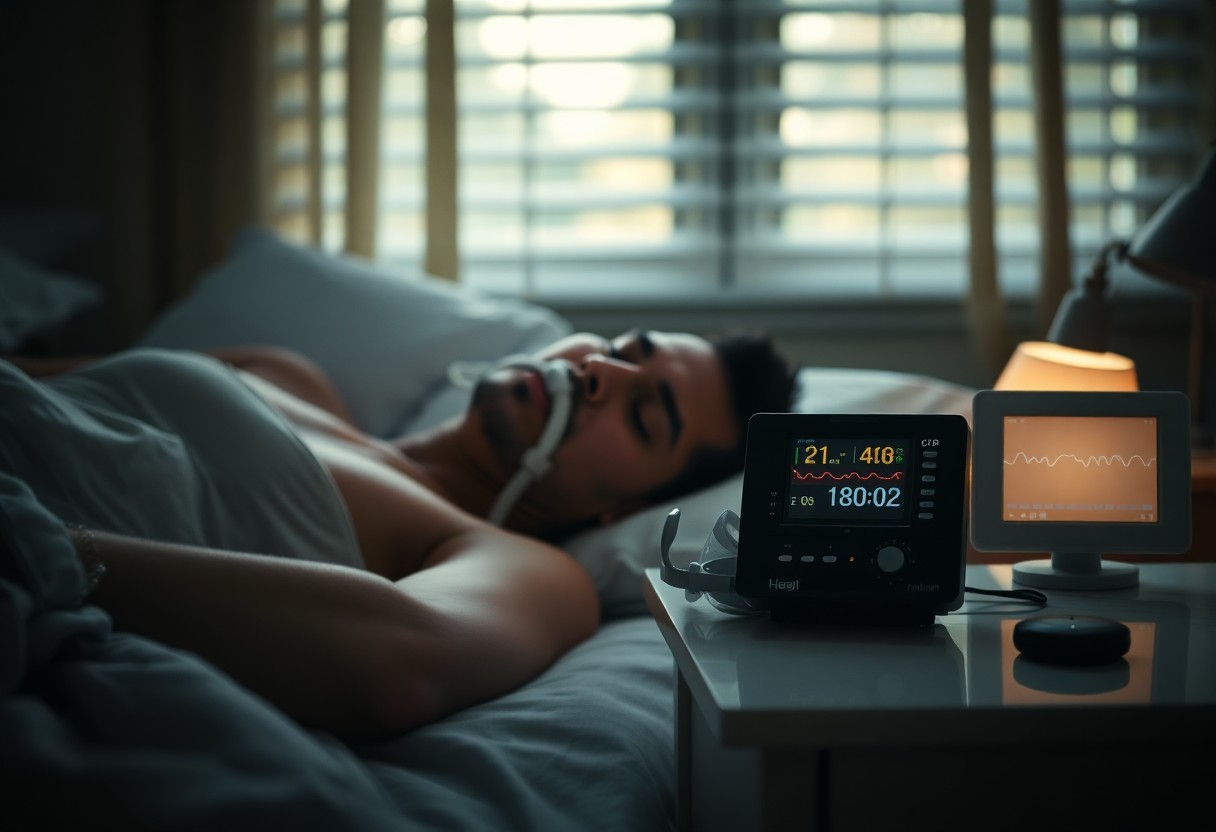
Because repeated airway collapse causes brief arousals and oxygen dips, your naps can feel unrefreshing despite total time asleep. Obstructive sleep apnea affects roughly 10-30% of adults; AHI >30 (severe) is associated with higher cardiovascular events and mortality. Recurrent desaturations to <90%> raise sympathetic tone and fragment REM and slow‑wave sleep. Effective therapy like CPAP and Oral Appliances reduces events and restores restorative sleep stages.
What is Sleep Apnea?
Sleep apnea occurs when the upper airway repeatedly narrows or closes during sleep, producing apneas/hypopneas measured by the apnea‑hypopnea index (AHI). You are classified as mild (5-15), moderate (15-30), or severe (>30) AHI, with each event lasting ≥10 seconds and causing oxygen drops and brief cortical arousals that interrupt slow‑wave and REM sleep.
Symptoms and Consequences
You commonly experience excessive daytime sleepiness, unrefreshing naps, morning headaches, and impaired concentration; epidemiologic studies link OSA to a roughly 2-3× increased risk of hypertension, stroke, and motor‑vehicle accidents. Fragmented sleep reduces memory consolidation and mood regulation, and untreated OSA worsens glucose control and systemic inflammation.
Physiologically, each apnea triggers sympathetic surges and transient blood‑pressure spikes; an AHI of 30 means about 30 interruptions per hour, often preventing entry into restorative stages. Repeated nocturnal hypoxemia and arousals promote endothelial dysfunction and insulin resistance, explaining why you feel nonrefreshed after short naps that never reach sustained slow‑wave or REM sleep.
The Role of CPAP and Oral Appliances
Therapies that physically splint your airway make the difference between a fragmented nap and restorative sleep. CPAP can reduce AHI by >90% when used correctly, while mandibular advancement devices typically lower AHI by about 40-60%. Choice depends on severity, anatomy, and your willingness to use the device nightly; in practice, adherence often dictates whether naps actually feel refreshing more than theoretical efficacy measurements.
How CPAP Works
CPAP delivers continuous positive pressure (commonly 5-20 cm H2O) through a mask to splint your airway and prevent the microarousals that fragment naps. When you wear it ≥4 hours per night, it restores REM and slow‑wave continuity, reduces oxygen desaturations, and cuts daytime sleepiness. Trials show dramatic AHI reductions and improved oxygen nadirs, which translate into noticeably more restorative naps and lower long‑term cardiovascular risk with sustained use.
Oral Appliances and Their Effectiveness
Mandibular advancement devices (MADs) push your lower jaw forward to enlarge the airway, offering a portable, often better‑tolerated alternative to CPAP for mild-moderate OSA. They commonly improve AHI by roughly 40-60% and can reduce daytime sleepiness and nap fragmentation; however, effectiveness depends on proper titration and dental fitting, so objective follow‑up testing is necessary to confirm benefit.
If you opt for a MAD, predictors of success include AHI <15-20, BMI <30, and positional or retrognathic anatomy. Be aware of side effects such as TMJ pain, tooth movement, and bite changes, requiring dental reviews every 3-6 months. In selected patients, combining a MAD with low‑pressure CPAP lowers required pressure and improves tolerance, increasing the chance your naps will actually refresh you.

Understanding Naps and Their Benefits
Napping for 10-20 minutes reliably boosts alertness, mood, and performance, while a full 90‑minute nap can complete a sleep cycle and aid memory consolidation. Short naps mostly hit N1-N2 sleep and avoid deep slow‑wave sleep, reducing grogginess; see research on inertia: Sleep inertia after naps is not more severe when waking …
The Science Behind Napping
You move through N1, N2, then slow‑wave and REM if naps exceed ~30 minutes; N2-often reached in a 20‑minute nap-supports procedural memory and alertness. Sleep pressure from prior wakefulness accelerates slow‑wave onset, so after sleep loss you may hit SWS within 20-40 minutes. EEG and performance studies show short naps preferentially boost vigilance without SWS‑related grogginess.
Why Naps May Feel Unrefreshing
When you have untreated obstructive sleep apnea, naps fragment due to repeated arousals and brief oxygen drops, so even short naps can feel nonrestorative. People with an AHI above 15 commonly report residual sleepiness after naps because arousals prevent consolidation into restorative stages, producing impaired vigilance and persistent sleepiness on waking.
For example, if your AHI is 15-30 (moderate OSA), a 30‑minute nap can include multiple apneas of 10-30 seconds, causing micro‑arousals every 1-3 minutes and oxygen desaturations below 90%, which disrupt N2/SWS and negate nap benefits; when you use CPAP or a well‑fitted oral appliance, naps typically become noticeably more restorative.
Strategies for Better Naps
Focus on controllable variables: nap length, clock timing, posture, and environment. Short naps of 10-20 minutes reliably boost alertness without deep-sleep inertia, while full-cycle naps of ~90 minutes restore memory but increase exposure to apnea-related arousals. If you lack CPAP or an oral appliance, prioritize timing and position to limit oxygen desaturation and fragmentation during your nap.
Ideal Nap Duration and Timing
Schedule naps between 1-3 PM and avoid napping within ~6 hours of your bedtime to protect nighttime sleep; choose 10-20 minutes for immediate alertness, or ~90 minutes if you need a full REM and slow-wave cycle. If you have frequent apnea events, shorter, earlier naps reduce time spent in deep sleep and therefore lower the chance of repeated arousals.
Creating a Conducive Sleep Environment
Make the nap space dark, cool (around 65°F / 18°C), and quiet-use blackout curtains, white-noise, or earplugs to cut arousals. Position matters: elevate your head or nap in a reclined chair to lessen airway collapse; many people find a 30° incline and lateral posture reduce event frequency compared with flat supine napping.
Practical fixes: use a wedge pillow or adjustable recliner, add a supportive side-sleep pillow to discourage rolling supine, and limit alcohol within 4-6 hours before a nap since it worsens airway collapsibility. In one clinic, patients who combined head elevation and lateral positioning reported fewer disruptive arousals during daytime naps, improving perceived refreshment.
Expert Recommendations
Experts recommend you pursue objective testing and tailored therapy: get a diagnostic sleep study (in-lab polysomnography or HSAT) to quantify the AHI and identify oxygen drops, then treat accordingly. For many, CPAP eliminates most apneas while worn and adherence of >4 hours/night markedly improves daytime alertness; oral appliances help mild-moderate cases or CPAP-intolerant patients. Also address nasal obstruction, medications, and sleep timing to reduce fragmentation and cardiovascular risk.
Consulting Sleep Specialists
Start with a board-certified sleep physician who can order a diagnostic study and interpret the AHI: AHI ≥5 with symptoms indicates obstructive sleep apnea; AHI ≥15 often prompts active therapy. You may need a CPAP titration or an HSAT plus dental sleep evaluation for mandibular advancement devices. ENT referral helps if anatomy (deviated septum, enlarged tonsils) is suspected. Track progress with objective adherence and symptom scores.
Lifestyle Changes for Better Sleep
Implement targeted habits: lose 5-10% body weight if overweight, get 150 minutes/week of moderate exercise, avoid alcohol and sedatives within 4 hours of sleep, limit caffeine after mid-afternoon, and train side-sleeping to reduce positional events. Nasal saline, weight-bearing pillow elevation, and consistent sleep schedules lower arousal frequency and make PAP or oral appliance therapy more effective.
For practical steps, start with one change: add brisk 30-minute walks five times weekly, use a wedge or raise the head 20-30 degrees, and try a positional aid if your AHI doubles when supine. Small weight losses and removing bedtime alcohol often cut snoring and AHI substantially; concurrently, document symptoms with a sleep diary and follow up with your specialist to quantify improvements.
Summing up
Upon reflecting you should understand that without CPAP or an oral appliance your naps can feel unrefreshing because recurrent apnea events fragment your sleep architecture, preventing restorative slow-wave and REM stages; brief arousals reset your sleep cycle so you wake still tired, and daytime naps may simply add fragmented sleep rather than recovery. Using prescribed therapy or proper sleep hygiene reduces interruptions, consolidates restorative stages, and helps naps actually restore your alertness.
FAQ
Q: Why do naps often feel unrefreshing when I skip my CPAP or oral appliance?
A: When you nap without a CPAP or oral appliance, obstructive events (apneas and hypopneas) can recur quickly and repeatedly. Each event fragments sleep by causing brief arousals and drops in blood oxygen, interrupting the progression into restorative stages (slow-wave and REM). Even short, repeated disruptions create sleep inertia on waking and leave the brain with reduced restorative sleep, so the nap feels shallow and unrecovering despite time spent asleep.
Q: What practical steps can I take to make naps more restorative if I can’t use my device?
A: Time and technique help: keep naps to 20-30 minutes for a “power nap” or aim for a full ~90-minute cycle to avoid waking mid‑cycle. Nap earlier in the day to reduce sleep pressure interference at night. Sleep on your side or elevate the head of the bed to lessen airway collapse; avoid sleeping flat on your back. Reduce factors that worsen airway collapse-avoid alcohol, sedatives, and heavy meals before napping; treat nasal congestion with saline or nasal dilators; maintain good sleep hygiene and limit caffeine late in the day. Track symptoms and try positional strategies (pillows, wedge, or a positional aid). If symptoms persist, contact your sleep clinician for alternatives or temporary measures-short-term oral appliance fitting, humidification, or a trial of different therapies-rather than self-managing severe obstruction.
Q: Can unrefreshing naps without treatment harm my daytime function or health?
A: Yes. Repeated fragmented naps add to total sleep debt and worsen daytime sleepiness, attention deficits, mood instability, and accident risk. Recurrent oxygen desaturations and arousals also increase sympathetic activity and blood pressure variability, which can exacerbate cardiovascular and metabolic risk over time. Frequent unrefreshing naps are a sign of ongoing untreated sleep-disordered breathing and warrant evaluation (sleep diary, oximetry, or formal testing) and discussion with a provider about resuming effective therapy or finding an appropriate alternative.
