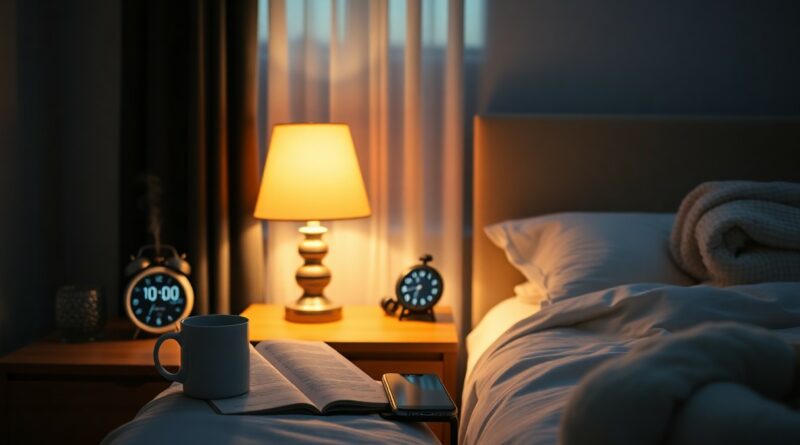
The Best Evening Habits for a More Restful Night
Restful evenings help you fall asleep more easily; this general habit-focused guide is designed to help you optimize evening routines, showing sleep-promoting habits, warning about blue light risks, and linking to 23 Tips for Your Ideal Nighttime Routine.
Key Takeaways:
- Limit screen time 60-90 minutes before bed to reduce blue light exposure and mental stimulation; enable night mode earlier in the evening if needed.
- Finish large meals 2-3 hours before bedtime and skip heavy, spicy, or high-sugar foods that can disrupt digestion and sleep.
- Practice a brief wind-down routine-deep breathing, light stretching, or journaling-to lower arousal and settle the mind before bed.
- Dim household lights in the hour before sleep and use warm, low-intensity lamps to cue melatonin production and prepare the body for rest.
- Keep consistent bed and wake times, including weekends, to strengthen circadian rhythms and make falling asleep easier night after night.
The Importance of Consistent Sleep Scheduling
Maintaining a regular sleep schedule is a primary factor in regulating the body’s internal clock for better rest. You will fall asleep faster and wake more refreshed when your bedtime and wake time stay consistent, even on weekends.
Factors affecting circadian rhythm
Light exposure, meal timing, exercise, caffeine, and shift work influence your circadian rhythm and how well you sleep. Any consistent adjustments you make, such as dimming lights and avoiding late caffeine, will help regulate your internal clock.
- Light exposure – evening brightness delays sleep
- Meal timing – late meals shift rhythms
- Exercise – timing alters sleep onset
- Caffeine – can delay sleep for 6+ hours
- Shift work – disrupts natural sleep-wake cycles
Types of sleep tracking tools
Wearables, apps, and bedside devices track sleep stages, movement, and heart rate so you can spot patterns. Perceiving those trends helps you adjust bedtime consistency.
- Wearables – wristbands and smartwatches
- Smartphone apps – microphone/accelerometer tracking
- Bedside sensors – radar or ballistocardiography
- Mattress sensors – pressure-based monitoring
- Polysomnography – clinical, diagnostic tool
| Wearables | Heart rate, movement, sleep stages |
| Smartphone apps | Sleep sound, movement estimates |
| Bedside sensors | Breathing, motion, sleep patterns |
| Mattress sensors | Pressure changes, sleep continuity |
| Polysomnography (PSG) | EEG, EOG, EMG – clinical accuracy |
Devices range from clinical polysomnography (PSG) to consumer wearables; PSG is the diagnostic gold standard while consumer tools give trend data you can act on, and accuracy varies by sensor and algorithm. You should compare device outputs with how you feel and consult a clinician for concerns. Perceiving device limitations helps you pick tools that support a consistent sleep schedule.
- Polysomnography (PSG) – diagnostic accuracy
- Wearables – nightly trend monitoring
- Smartphone apps – easy access, variable accuracy
- Bedside sensors – non-contact monitoring
- Mattress sensors – long-term sleep continuity
| PSG | Clinical; measures EEG/EOG/EMG |
| Wearables | Accessible; HR and movement |
| Apps | Convenient; uses microphone/accelerometer |
| Bedside sensors | Contactless; monitors breathing/motion |
| Mattress sensors | Pressure-based; passive nightly data |
Strategic Meal Timing for Digestive Comfort
You should note that The timing of evening meals is a key factor in preventing physical discomfort that can disrupt the transition to sleep.
Tips for balanced evening nutrition
Plan lighter, low-fat meals 2-3 hours before bed to reduce physical discomfort.
- Protein: fish/tofu
- Carbs: whole grains
- Fat: small portions
Any heavy, spicy meals close to bedtime increase the chance of sleep disruption.
Pros and cons of late-night snacking
Weigh small, mindful snacks 1-2 hours before bed to prevent hunger yet watch for items that increase acid reflux and sleep disruption.
| Pros | Cons |
|---|---|
| Prevents waking from hunger | Increases acid reflux |
| Stabilizes blood sugar | Adds extra calories |
| Supports evening medication timing | May delay sleep onset |
| Can aid muscle repair if protein-based | Triggers heartburn for sensitive people |
Consider limiting late-night snacks to 150-300 kcal and stopping at least 1-2 hours before sleep; spicy, fatty, or acidic foods can cause acid reflux and heartburn that interrupt rest.
| Pros | Cons |
|---|---|
| Prevents midnight hunger | Increases acid reflux risk |
| Helps stabilize glucose | Contributes to excess calorie intake |
| May improve comfort for light sleepers | Spicy/fatty foods trigger heartburn |
| Protein snacks support overnight repair | Large portions delay sleep onset |
| Can improve adherence to medication schedules | Frequent snacking can fragment sleep |
Environmental Lighting and Screen Reduction
Evenings set tone: a step-by-step reduction of blue light and screen exposure is necessary to trigger the body’s natural sleep hormones. You should dim lights two hours before bed, use warm bulbs, and follow tips in 6 Habits In My Evening Routine That Changed Everything.
Step-by-step guide to a digital sunset
Begin a gradual cutoff: a step-by-step reduction of blue light and screen exposure helps you shift into sleep mode-start 120 minutes before bed and end screens at lights out.
Digital Sunset Steps
| 120 minutes | Dim lights, warm bulbs |
| 90 minutes | Enable night mode on devices |
| 60 minutes | Stop social media, switch to reading |
| 30 minutes | Use audio-only apps, low brightness |
| 0 minutes | Put devices in another room |
Types of sleep-friendly ambient lighting
Choose warm-color LEDs (2700K), amber bulbs, salt lamps, dimmable fixtures, and candlelight to reduce blue light and promote melatonin. Thou should prefer warm LEDs and amber tones within two hours of sleep.
- Warm LEDs (2700K)
- Amber bulbs
- Salt lamps
- Dimmable fixtures
- Candlelight
Sleep-Friendly Lights
| Warm LEDs | 2700K, low blue |
| Amber bulbs | Minimal blue emission |
| Salt lamps | Soft orange glow |
| Dimmable | Adjustable intensity |
| Candlelight | Flicker, low blue |
Lower overall light levels gradually; a step-by-step reduction of screen exposure plus ambient lighting adjustments helps melatonin onset. Thou can combine dimmers, 2700K bulbs, and amber filters for best results.
- Dimmers
- 2700K bulbs
- Amber filters
- Night-lights
- Low-lumen lamps
Ambient Lighting Options
| Dimmers | Adjust brightness |
| 2700K bulbs | Warm color |
| Amber filters | Block blue |
| Night-lights | Low intensity |
| Low-lumen lamps | Soft glow |
Stress Management and Mental Decompression
Implementing stress management habits helps lower cortisol levels and quiet the mind before bed. You can use gentle routines like brief journaling and Sleep hygiene: Simple practices for better rest to calm arousal and prepare for sleep.
Tips for evening relaxation exercises
Try brief 5-10 minute exercises nightly to lower arousal and calm your nervous system. Perceiving early tension helps you pick a focused practice that restores relaxation.
- Diaphragmatic breathing
- Progressive muscle relaxation
- Guided imagery
- Gentle stretching
Pros and cons of various meditation techniques
Compare common techniques to find what best reduces your arousal; some approaches lower cortisol faster, while others need consistent practice. Use the table below to weigh benefits and drawbacks.
Pros and Cons of Meditation Techniques
| Mindfulness | Pros: increases present-moment awareness and may lower cortisol; Cons: can surface uncomfortable thoughts. |
| Transcendental | Pros: deep relaxation with mantra; Cons: requires trained instruction for best results. |
| Guided | Pros: accessible and supportive for beginners; Cons: dependence on external guidance. |
| Loving-kindness | Pros: boosts positive emotions; Cons: may feel awkward initially for some people. |
| Body-scan | Pros: reduces physical tension quickly; Cons: may reveal pain or discomfort. |
Study which method fits your routine: you can start with 5-10 minute breathwork to ease arousal or extend to 15-30 minutes for deeper effects; watch for techniques that may stir strong emotions and choose gentler options if you need to protect your sleep readiness.
Summing up
On the whole you can ensure a restful night by reducing screens before bed, finishing meals 2-3 hours earlier, practicing brief stress-management techniques, using warm, dim lighting, and keeping a consistent sleep schedule so your body learns reliable sleep timing.
FAQ
Q: How does reducing screen time before bed improve sleep?
A: Blue light from phones, tablets, and TVs suppresses melatonin production and delays sleep onset. Aim to stop screen use 60 to 90 minutes before bedtime to allow natural sleep signals to build. If stopping earlier isn’t possible, use dim screen settings and blue‑light filters while avoiding stimulating content like news or social media. Replace screens with low‑stimulation activities such as reading a paper book, gentle stretching, or short mindfulness exercises.
Q: What should I eat and when to avoid disrupting sleep?
A: Eating large or heavy meals right before bed can cause indigestion and make falling asleep harder. Plan your last main meal 2 to 3 hours before bedtime so digestion slows before sleep. Avoid caffeine at least 6 hours before sleep and limit alcohol, since it fragments sleep later in the night. If hunger strikes close to bedtime, choose a small snack combining complex carbs and protein, for example a banana with nut butter or whole‑grain crackers with cheese.
Q: Which evening stress‑management habits help me fall asleep more easily?
A: Evening stress and racing thoughts are common causes of poor sleep. Set aside a 15‑ to 30‑minute wind‑down period to process the day: jot down tomorrow’s tasks, write a short worry list, or journal to offload concerns. Practice breathing techniques like box breathing or progressive muscle relaxation for 5 to 10 minutes to lower physiological arousal. Limit stimulating activities in the hour before bed, including intense exercise and charged conversations, and seek therapy or a sleep specialist if anxiety regularly prevents sleep.
Q: What lighting changes should I make in the evening for better sleep?
A: Low, warm lighting signals the body to produce melatonin and prepare for sleep. Use lamps with bulbs rated 2700K or lower and install dimmers when possible to reduce light intensity in the hour before bed. Install blackout curtains or use an eye mask to block external light, and remove or cover glowing LEDs on chargers and devices. Use a warm‑colored nightlight only if needed for brief bathroom trips, avoiding bright white or blue‑tinted lights.
Q: How does a consistent sleep schedule improve rest, and how do I set one?
A: Consistent bed and wake times strengthen the body’s circadian rhythm and make falling asleep easier. Choose a wake time you can maintain daily, including weekends, and set bedtime based on the amount of sleep you need. Shift your schedule gradually by 15‑minute increments if a change is needed. Build a predictable 30‑ to 60‑minute pre‑sleep routine that combines light reduction, relaxing activities, and stress management. Track sleep with a journal or app to spot patterns and adjust habits if improvement does not occur after several weeks.
