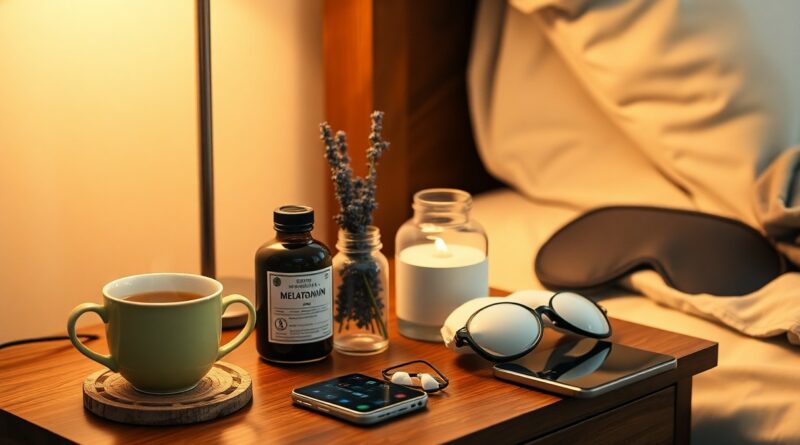
Best Natural Sleep Aids and When to Use Them
Over five common natural sleep supports-magnesium, herbal teas, melatonin, aromatherapy, and calming rituals-help you sleep; magnesium and melatonin give measurable effects, melatonin can cause daytime drowsiness or interactions, and herbal teas and rituals are safer nightly choices.
Key Takeaways:
- Magnesium supplements (glycinate or citrate) – 200-400 mg 30-60 minutes before bed can reduce muscle tension and promote relaxation; avoid if you have kidney disease and expect possible loose stools.
- Herbal teas (chamomile, passionflower, valerian) – mild calming effects useful for occasional sleeplessness or pre-bed anxiety; valerian can interact with sedatives and is not advised in pregnancy.
- Melatonin – best for circadian rhythm issues or jet lag at low doses (0.3-3 mg) taken 30-60 minutes before target bedtime; use short-term and consult a clinician if you take other medications or have health conditions.
- Aromatherapy (lavender, bergamot) – inhalation or diffuser use can promote relaxation and lower arousal; do not ingest necessary oils and dilute before any topical application.
- Calming bedtime rituals and sleep hygiene – consistent sleep schedule, reduced evening screen time, dim lighting, and relaxing pre-sleep activities are the primary strategies for chronic sleep problems and should be tried before regular supplement use.
Magnesium and Mineral Support
Magnesium is reviewed as a common natural sleep support that helps you calm nerves and relax muscles; many people use 200-400 mg elemental magnesium at bedtime. Check with your clinician if you have kidney disease or take interacting drugs because high doses can cause diarrhea.
Benefits for physical relaxation
You may notice reduced muscle tension and calmer nerves when you use magnesium, since it supports GABA receptors and promotes muscle relaxation, helping you prepare physically for sleep.
Optimal timing for mineral intake
Taking magnesium 30-60 minutes before bed often helps you fall asleep faster; many people prefer a 200-400 mg elemental dose at night and avoid large calcium meals to limit absorption interference.
Consider choosing magnesium glycinate for sleep-focused use because it has a lower laxative effect, while citrate can be effective but more likely to cause loose stools and oxide is less well absorbed. If you have reduced kidney function or take antibiotics, blood-pressure meds, or diuretics, consult your clinician before nightly dosing.
The Role of Herbal Teas
Reviewing herbal teas as a common natural method for sleep support, you find chamomile, lavender and valerian frequently recommended; you can try them for mild insomnia while noting variable potency and individual reactions.
Popular botanical infusions
Chamomile, lavender and valerian are popular botanical infusions you can use; chamomile offers mild sedative effects, lavender calms, and valerian may cause daytime drowsiness or interact with medications-consult your provider if you take prescriptions.
Integrating tea into a nightly routine
Sip herbal tea 30-60 minutes before bed so you give compounds time to act; choose caffeine-free blends and follow recommended steeping to avoid bitterness and overstimulation.
Set a simple ritual: steep for 5-10 minutes, cool to a comfortable temperature, and drink about 30-60 minutes pre-bed so you can gauge effects; pick clearly labeled caffeine-free herbs, limit fluids if nocturia bothers you, and check interactions with sedatives, prescriptions, pregnancy, or breastfeeding; track responses for two weeks to decide if the tea reliably improves your sleep.
Melatonin Supplementation
Melatonin remains a common sleep support; when reviewing melatonin as a common sleep support with a focus on specific use cases, you should consider short-term use for jet lag or shift work. Read more: Skip The Melatonin – These Are Your Best Sleep Aid Options.
Impact on the sleep-wake cycle
Production of melatonin helps shift your circadian rhythm; reviewing melatonin as a common sleep support with a focus on specific use cases shows timed doses can advance or delay sleep, useful for jet lag and shift work.
Determining appropriate use cases
Consider melatonin for jet lag, shift work, or delayed sleep phase; reviewing melatonin as a common sleep support with a focus on specific use cases points to short-term, targeted use and consulting a clinician before combining with medications.
You will favor melatonin primarily for circadian disorders such as jet lag, shift work disorder, and delayed sleep phase; when reviewing melatonin as a common sleep support with a focus on specific use cases you should note typical doses range from 0.3-3 mg taken 30-60 minutes before bedtime for phase shifts, while co-use with warfarin, sedatives, or during pregnancy requires medical advice.
Aromatherapy and Sensory Relaxation
Reviewing aromatherapy as a common natural sleep support, you can use inhalation or a diffuser with lavender or chamomile to ease sleep onset; use a diffuser for 15-30 minutes and avoid undiluted topical use or ingestion.
Therapeutic scents for rest
Lavender, bergamot and chamomile soothe nightly anxiety; you can inhale 2-3 drops on a tissue or apply a diluted roll-on. Choose lavender for general insomnia and bergamot when stress causes sleep trouble.
Application methods for important oils
Diffusers, pillow sprays, inhalers, baths and diluted topical blends let you tailor sleep support; you should not ingest oils, dilute to about 1-2% for nightly topical use, and keep products away from infants and pets.
When applying oils topically, you should perform a patch test, dilute to 1-2% (≈6-12 drops per 30 mL carrier), run diffusers 15-30 minutes before bed, and consult a clinician if pregnant, nursing, or on medication; keep oils out of reach of children and avoid direct contact with eyes.
Establishing Calming Rituals
Reviewing calming rituals as a common natural sleep support, you can use 5-15 minutes of deep breathing, a short journal entry, or herbal tea to cue sleep and reduce arousal before bed.
Behavioral habits for better sleep
Daily consistency reinforces reviewing calming rituals as a common natural sleep support; you should keep steady wake and sleep times, skip late caffeine, and avoid screens within 30 minutes to lower stimulation.
Creating a consistent evening environment
Bedroom cues pair with reviewing calming rituals as a common natural sleep support: you should dim lights, set temperature near 60-67°F, reserve the bed for sleep and sex, and use blackout curtains.
Light, sound, and temperature matter: you should dim to warm 2700K bulbs and cut brightness 30-60 minutes before bed, keep room at 60-67°F, consider white noise around 40-50 dB, and ban screens to avoid blue-light suppression of melatonin, reinforcing the calming rituals you practice nightly.
To wrap up
As a reminder, you should take a balanced approach to expectations and use cases for natural sleep supports: match short-term melatonin or herbal aids to brief circadian shifts or occasional sleeplessness, reserve behavioral therapies for persistent problems, and consult trusted guidance such as Sleep aids: Understand options sold without a prescription.
FAQ
Q: What natural sleep aids have the best evidence and how do they work?
A: Melatonin, magnesium, certain herbal remedies (valerian, chamomile, passionflower), and lavender aromatherapy have the strongest support for occasional sleep problems. Melatonin regulates the sleep-wake cycle and works best for circadian timing problems such as jet lag or shift work. Magnesium supports muscle relaxation and GABAergic activity, which can ease falling asleep. Valerian and passionflower interact with GABA pathways and may reduce time to fall asleep in some people. Chamomile contains apigenin, a mild sedative effect that can reduce sleep latency. Lavender inhalation influences limbic system activity to promote relaxation.
Q: When should I use melatonin and what dose is appropriate?
A: Use melatonin for short-term circadian misalignment (jet lag, shift work) or delayed sleep phase; avoid routine nightly use for chronic insomnia without medical advice. Typical adult doses range from 0.1 mg to 5 mg taken 30-60 minutes before desired bedtime, with lower doses often effective for circadian phase shifting. Doses above 5 mg rarely add benefit and may increase next-day grogginess. People taking medications, pregnant or breastfeeding women, and children should consult a clinician before use.
Q: How should I use magnesium for sleep and what safety issues should I consider?
A: Choose magnesium glycinate or citrate for better absorption and gentler bowel effects, and aim for about 200-400 mg elemental magnesium in the evening, adjusted for diet and tolerance. Start at a lower dose to assess gastrointestinal tolerance; diarrhea suggests dose reduction or a different form. Avoid supplemental magnesium in people with significant kidney impairment and separate magnesium supplements from antibiotics or bisphosphonates by at least two hours. Speak with a provider if you take multiple prescription medicines.
Q: Which herbal teas or extracts help sleep and when should they be avoided?
A: Chamomile, valerian, passionflower, and lemon balm are commonly used; drink a cup of herbal tea 30-60 minutes before bed or use standardized extracts per label directions. Valerian may be helpful for sleep latency but can cause morning grogginess in some users; avoid valerian with heavy alcohol use or other strong sedatives. Chamomile can cause allergic reactions in people sensitive to ragweed. Pregnant or breastfeeding people and those taking anticoagulants, sedatives, or liver-metabolized medications should consult a clinician before using these herbs.
Q: How can aromatherapy and calming bedtime rituals be used with natural aids to improve sleep?
A: Use a consistent pre-sleep routine: dim lights, keep a cool dark bedroom, stop screens 30-60 minutes before bed, and practice relaxation techniques such as slow diaphragmatic breathing or progressive muscle relaxation. Diffuse lavender oil (3-5 drops) or apply a diluted topical blend at about 1% concentration (roughly 6 drops per 30 mL carrier oil) for inhalation- or skin-based relaxation; avoid undiluted application. Combine rituals with supplements when appropriate for additive benefit, and seek cognitive-behavioral therapy for insomnia (CBT-I) or medical evaluation if sleep problems are chronic or severe.
