Do Nose Strips Actually Improve Nap Quality? What the Science Says
Over short naps, you may see modest improvements in nasal airflow and perceived restfulness according to small trials and mechanism studies; however, strips do not treat obstructive sleep apnea and can mask dangerous breathing problems, so set realistic expectations. Review of research and nasal mechanics, including resources like How Do Nasal Strips Work?, shows strips can help mild congestion but won’t guarantee deeper nap quality for your sleep.
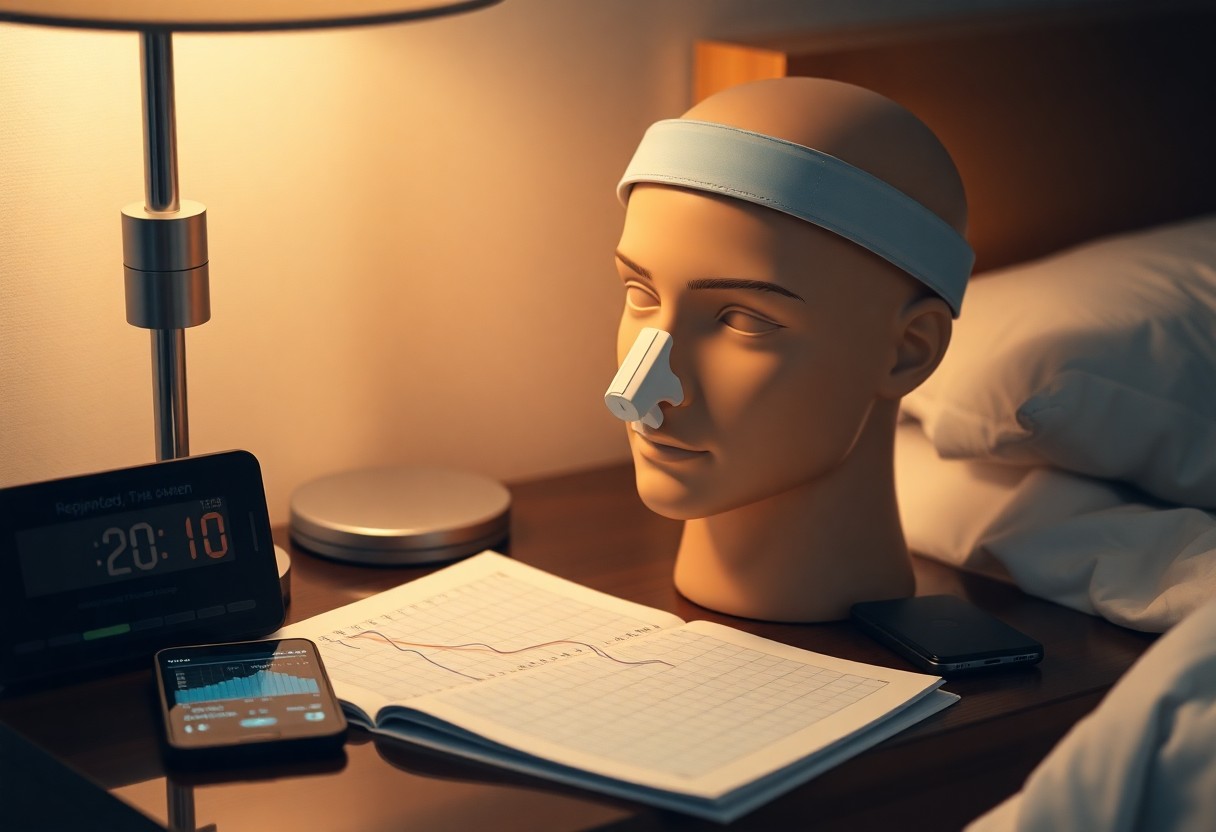
Key Takeaways:
- Direct evidence for naps is limited; studies show nasal strips can modestly reduce nasal resistance, congestion, and snoring and may slightly improve subjective sleep quality-mostly in people with nasal obstruction-not in treating obstructive sleep apnea.
- Physiology: strips mechanically widen the nasal valve, lowering airflow resistance and reducing mouth-breathing-related arousals; effects are immediate but generally small and symptom-specific.
- Realistic expectations: benefits are most likely for napters whose primary problem is nasal congestion; impact is variable and modest, and strips are not a substitute for medical treatment of sleep-disordered breathing.
How Nose Strips Work
You get a passive mechanical widening of the external nasal valve: adhesive strips lift the nostril walls to increase cross-sectional area, which can reduce nasal resistance and improve nasal breathing; some studies report subjective snoring improvement in ~20-30% of users. For an accessible review of efficacy see Do Snoring Strips Really Work? Increased nasal patency is the expected benefit, but effects on sleep architecture are usually modest.
Mechanism: nasal dilation and airflow dynamics
You should know nasal strips act externally to widen the nasal valve, altering local airflow and lowering resistance; objective measures typically show a ~10-30% change in patency in small trials, while subjective breathing and snoring scores improve variably. Studies indicate benefits are immediate but transient, and they are not a treatment for obstructive sleep apnea, so you should assess expectations against clinical limitations.
Types of strips and correct application
You can choose between disposable adhesive nasal strips and reusable internal dilators; apply adhesive strips to clean, dry skin across the bridge and press each wing flat, avoiding blunt tugging-most makers recommend single-night use or 8-12 hours. Proper correct application maximizes mechanical lift and reduces skin irritation risk.
| Feature | Practical note |
| Mechanism | External lift of nostril walls increases cross-sectional area. |
| Effect size | Typical objective patency gains ~10-30%; subjective snoring improvement ~20-30% in some studies. |
| Best for | Positional snoring and nasal congestion without OSA. |
| Application | Clean dry skin, center strip over bridge, press wings, replace nightly. |
Adhesive strips deliver consistent external support: you’ll get immediate opening but tolerability varies-skin irritation reported in a minority; internal dilators offer similar mechanical widening without adhesives but require correct sizing to avoid discomfort. Many users trial different brands to balance comfort and lift; look for strips specifying bridge width and adhesive strength for your nose shape.
- nasal dilation – external lift increases valve area
- airflow dynamics – lowers resistance, may reduce snoring amplitude
- adhesive nasal strips – single-night use, 8-12 hours typical
- internal dilators – reusable, require correct sizing
Perceiving how each option affects your sleep and symptoms helps set realistic expectations when you trial nose strips for improved nap quality.
What the Research Shows
You’ll find mixed but informative evidence: small trials and lab studies show nasal strips lower nasal resistance by mechanically widening the nasal valve, which can improve subjective breathing and reduce snoring loudness, yet most rigorous sleep-lab measures do not show meaningful changes in obstructive sleep apnea severity (AHI). Trials are often short (single night to 2 weeks) and involve small samples (typically 20-100 participants), so benefits for your daytime sleepiness or long-term nap quality remain uncertain.
Clinical studies on nasal strips and sleep quality
Randomized trials comparing adhesive nasal strips to sham devices report consistent gains in perceived nasal airflow and snoring intensity, with several studies noting >50% of participants reporting improvement. However, polysomnography studies commonly show no significant reduction in AHI or major changes in sleep architecture, especially in moderate-severe OSA. You should expect subjective relief more often than objective sleep-disordered-breathing improvement, particularly if nasal obstruction is your primary issue.
Gaps, sample limitations, and conflicting results
Many studies recruit healthy volunteers or mild-snoring adults, creating external validity problems when you have comorbid OSA, obesity, or nasal pathology. Heterogeneous endpoints-snoring loudness, nasal resistance, AHI, sleep efficiency-lead to conflicting conclusions. Short follow-up and device variability (brand, adhesive strength) further muddy results, so the evidence base doesn’t yet allow firm recommendations for your regular nap improvement.
To address uncertainties you’d need larger, multi-center RCTs (>200 participants), longer follow-up (weeks-months), and standardized outcomes combining PSG-measured AHI, actigraphy, and validated daytime scales (e.g., ESS). Comparative studies against nasal dilators, topical decongestants, or septoplasty are rare. Also watch for safety data: skin irritation and adhesive reactions are the most reported harms and should be tracked in future trials to determine whether benefits for your naps outweigh these risks.
Naps vs. Nighttime Sleep: Key Differences
Your naps are typically short (10-90 minutes) and favor light NREM, whereas overnight sleep cycles about 90 minutes and includes full REM and slow‑wave stages. That means overnight breathing interventions don’t automatically translate to naps. If you have nasal congestion, a strip may ease breathing and sleep onset, but nasal strips don’t treat obstructive sleep apnea. See a practical discussion here: Nasal strips – 4 times this health hack might work.
Sleep architecture and duration considerations
Short naps (10-30 minutes) mainly produce N1-N2 sleep and boost alertness quickly, while a 90‑minute nap can yield a full cycle including REM. Because most naps lack prolonged respiratory events, you should expect a nasal strip’s benefit to be limited to faster sleep onset and less mouth‑breathing during light stages rather than major changes in sleep architecture.
Transferability of nocturnal findings to naps
Overnight studies measure AHI, REM time, and daytime sleepiness across several hours; you can’t assume those same outcomes in a 20‑minute power nap. Randomized trials show external nasal dilators usually produce little change in AHI, so if your issue is suspected OSA a strip is unlikely to help much. For simple congestion or snoring, you may see modest per‑nap improvement.
Mechanistically, nasal strips widen the external nasal valve and lower nasal resistance, which can speed sleep onset and reduce mouth‑breathing for congested sleepers; however, they don’t prevent pharyngeal collapse that drives OSA. If you nap 20 minutes, a strip may shave a few minutes off latency and reduce snoring, but for frequent apneas its impact on oxygenation and AHI is typically minimal, so set realistic expectations and pursue testing if you suspect a sleep disorder.
Objective and Subjective Outcomes
When you compare objective measures against personal reports, studies typically show a disconnect: nasal strips reliably increase nasal patency by about 15-25% on rhinomanometry or acoustic rhinometry, yet polysomnography and pulse oximetry usually register minimal changes in sleep architecture or oxygen saturation. Conversely, roughly 25-40% of participants in trials and surveys report feeling more rested or experiencing less snoring after naps, so your expectations should match that pattern of measurable modest gains but noticeable subjective effects.
Measurable effects: airflow, oxygenation, sleep stages
Rhinomanometry and acoustic rhinometry studies consistently show increased minimal cross-sectional area and airflow (typically 15-25% improvement), while overnight oximetry studies in non-apneic sleepers report mean SpO2 changes of <0.5 percentage points. Polysomnography trials (for example, 20-30 subject crossover studies) find no reliable increase in REM or slow-wave sleep. If you have mild nasal obstruction, expect the largest objective improvements; if you have OSA, objective respiratory events remain largely unchanged.
Reported benefits: perceived restfulness and snoring reduction
Surveys and small randomized trials indicate that about a quarter to two-fifths of users report better nap restfulness and reduced snoring intensity; one crossover study of ~60 subjects found ~33% reported improved sleep quality after using strips during daytime naps. Benefits are most apparent when nasal resistance was the limiting factor-so you’re likeliest to notice subjective gains if congestion or mouth-breathing trouble was present.
Mechanistically, you tend to feel better because nasal dilation lowers resistance, reduces mouth-breathing, and can cut brief arousals tied to upper-airway discomfort; trials in allergic rhinitis cohorts show larger subjective snoring reductions (some reports near 40-50%). However, effect sizes vary widely by anatomy and congestion level. Importantly, if you suspect obstructive sleep apnea, nasal strips are not a treatment and you should pursue diagnostic evaluation rather than rely on strips alone.

Risks, Limitations, and When They Won’t Help
Nasal strips can reduce nasal resistance and help mild congestion or occasional snoring, but they have clear limits: because they only widen the external nasal valve, they won’t treat obstructive sleep apnea or fixed structural blockages like a severe septal deviation or large polyps. You may see subjective breathing improvement without objective sleep changes on polysomnography, and adhesive-related skin problems or poor fit can negate any benefit.
Skin issues, fit problems, and false expectations
You can develop adhesive irritation, contact dermatitis, or local blistering from repeated use, especially if you have sensitive skin or sweat at nap time. Facial hair, oily skin, or an improperly sized strip commonly produce poor adhesion and no airflow gain; that often leads people to expect a cure for snoring or daytime sleepiness when the device only offers modest nasal-valve support.
Conditions requiring medical assessment (sleep apnea, nasal obstruction)
If you experience loud snoring with pauses, choking/gasping, or daytime sleepiness, you need medical assessment because these signs suggest sleep-disordered breathing. Obstructive sleep apnea is generally defined by an AHI ≥5 events/hour with symptoms, and nasal strips do not reliably lower AHI in moderate-to-severe cases-seek evaluation rather than relying on strips.
Understanding why matters: nasal strips only oppose lateral nasal wall collapse and expand the nasal valve, so they help congestion and improve mask comfort but not pharyngeal collapse behind the tongue. Structural causes-septal deviation, turbinate hypertrophy, nasal polyps-produce fixed obstruction that often requires ENT evaluation and treatments like septoplasty or turbinate reduction. For sleep apnea, objective testing (home sleep apnea test or polysomnography) classifies severity (mild AHI 5-15, moderate 15-30, severe >30) and guides therapy: CPAP is standard for moderate-severe OSA, while nasal surgery or medical therapy targets anatomic nasal problems. Strips can be adjunctive but are rarely definitive when AHI or anatomic obstruction is significant.
Practical Recommendations
You should expect nose strips to modestly reduce nasal resistance-around 20-30% in many studies-and improve subjective breathing during naps if your limitation is nasal congestion or valve collapse; they do not treat obstructive sleep apnea, so seek evaluation if you snore loudly, gasp, or wake gasping. Trial strips during wakefulness to check fit and skin reaction, use them for your typical nap length (10-20 minutes for a power nap or ~90 minutes for a full cycle), and set realistic goals: better airflow, not a cure-all.
How to choose and use nose strips for better naps
Pick a strip sized for your nose bridge, with hypoallergenic adhesive if you have sensitive skin, and test one for 10-15 minutes before napping; apply just above the nostrils, press for 10 seconds, and avoid oily creams that reduce stickiness. Try firmer “external dilator” designs if you have valve collapse, and swap brands if adhesion fails-use one strip per nap and remove gently to prevent skin irritation.
Alternatives and complementary strategies to improve nap quality
Combine strips with nasal saline irrigation before napping, short-term topical decongestants if appropriate, or allergy treatments for chronic rhinitis; use environmental changes (darkness, 18-22°C, earplugs) and behavioral tactics like a 20-minute power nap or a caffeine nap (about 200 mg then 20 minutes) to boost alertness. For suspected OSA, prioritize medical evaluation/CPAP over strips.
Saline rinses can reduce nasal congestion within minutes, while intranasal steroids need weeks to work-so use saline for immediate relief and steroids for chronic issues after consulting a clinician. Beware decongestant sprays: limit use to 3 days to avoid rebound congestion. Positional therapy or oral appliances help positional OSA, and a 10-20 minute nap typically improves alertness for 30-120 minutes, giving predictable benefits when combined with airflow-improving measures.
Conclusion
Now, evidence indicates nasal strips can modestly lower nasal resistance and reduce mouth breathing, which may make it easier for you to fall asleep during a nap, but controlled studies show limited direct effects on nap architecture or depth. If your nasal congestion is the primary barrier, strips can improve your comfort and shorten sleep onset; however they will not treat obstructive sleep apnea and should be paired with good nap hygiene and medical evaluation when needed.
FAQ
Q: Do nose strips actually improve nap quality?
A: Nasal strips can improve subjective comfort during a nap by reducing nasal resistance and making breathing feel easier, especially for people with nasal congestion or dynamic nasal valve collapse. Randomized trials and lab studies consistently show improved nasal airflow and reduced snoring intensity with external nasal dilators, but objective sleep-stage measures (EEG-defined slow-wave and REM sleep) and oxygenation typically show little to no change in healthy sleepers. For short naps the likely effect is modest: fewer awakenings from nasal obstruction and a perception of better breathing, rather than a clear increase in deep sleep or total sleep time.
Q: What physiological mechanisms explain any benefit from nasal strips?
A: External nasal dilators work by mechanically widening the external nasal valve, lowering inspiratory resistance and reducing the work of breathing through the nose. Improved nasal patency can promote nasal rather than mouth breathing, which preserves nasal nitric oxide delivery to the airway and can reduce micro-arousals caused by airflow turbulence or congestion. However, nasal strips do not change pharyngeal anatomy or collapse, so they have little effect on obstructive events originating below the nasal valve; therefore they do not reliably improve oxygenation or apnea-hypopnea indices in sleep-disordered breathing.
Q: Who is most likely to benefit and what are realistic expectations when using them for naps?
A: People with nasal congestion from allergies, a narrow external nasal valve, or nasal valve collapse are the most likely to experience perceptible benefit – less stuffy breathing, reduced snoring, and fewer awakenings due to nasal obstruction. Expect subjective improvements in comfort and reduced snoring for brief naps, but not dramatic changes in sleep architecture or treatment of obstructive sleep apnea. Best practice: use a correctly sized strip placed over the widest part of the nose, combine with nasal saline or decongestion if appropriate, and avoid treating moderate-to-severe sleep apnea with strips alone; consult a clinician if breathing pauses, loud persistent snoring, or daytime sleepiness occur. Potential downsides include skin irritation, loss of adhesion with sweat or oils, and diminished effect if the primary problem is mouth breathing or pharyngeal collapse.
