
Nose Strips vs Other Breathing Aids for Restful Naps
It’s helpful to weigh how each affects your nap: nasal strips are non-invasive and give external lift for immediate airflow, sprays offer quick relief but can cause rebound congestion if overused, dilators improve internal airflow but may feel intrusive, and mouth taping can reduce mouth-breathing yet is dangerous if you have obstructive sleep apnea or nasal blockage.
Key Takeaways:
- Nasal strips give immediate, non‑invasive widening of the nasal valve and are best for structural blockage; sprays treat mucosal swelling (decongestants work quickly but can cause rebound with repeat use; steroids take days), while dilators (internal or external) offer a similar mechanical effect but can be less comfortable.
- Safety profiles differ: nasal strips have minimal side effects; decongestant sprays risk rebound congestion if used often; steroid sprays are safe long‑term but not fast; dilators can irritate; mouth taping can help if the nose is clear but is unsafe with suspected sleep apnea or significant nasal obstruction.
- For short naps, nasal strips or dilators are convenient and effective for immediate improvement; saline spray is a safe, temporary option; use decongestant sprays sparingly and avoid mouth taping unless you’ve confirmed safe nasal breathing and no breathing disorders.

How nasal strips work
When you apply a nasal strip it lifts the skin over your nasal valve with spring-like bands, widening the external airway and often increasing cross-sectional area by about 15-30%; that mechanical action lowers resistance immediately without drugs and can outperform saline sprays for instant airflow. User comparisons such as I tried every nasal strip, dilator, and sleep aid… highlight comfort versus internal dilators and tape.
External nasal dilation and airflow mechanics
You’ll notice the strip acts at the nostril rim to reduce turbulent flow by expanding the nasal valve; studies and imaging show a measurable drop in airflow resistance and a direct mechanical effect unlike sprays that shrink mucosa. Internal dilators achieve similar lumen gain but can cause irritation or displacement, while mouth taping doesn’t alter nasal mechanics and can backfire if your nose is blocked.
Intended benefits for breathing and snoring during naps
For brief naps you can get faster relief from nasal congestion and a tangible drop in nasal-origin snoring intensity, making naps more restful when your obstruction is primarily nasal; strips work best for positional or valve-related snoring, whereas they rarely change moderate-to-severe obstructive sleep apnea outcomes.
Practically, you can pair a strip with short-term decongestant sprays for under 8-12 hours of added clearance, but avoid prolonged topical vasoconstrictors due to rebound rhinitis after ~3 days; internal dilators may suit you if the strip slips, and mouth taping helps mouth-breathers only when nasal patency is secure-otherwise it risks significant breathing problems.
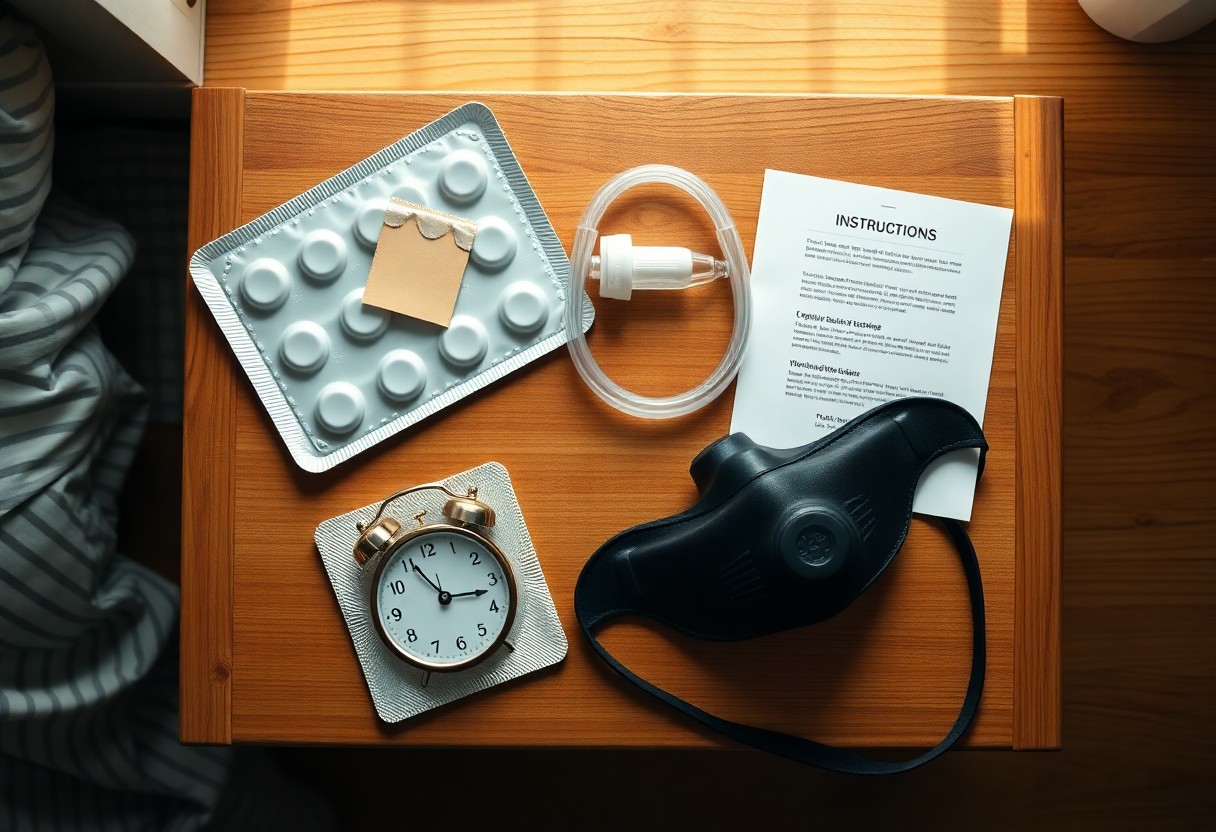
Nasal sprays: types and effects
You can choose between decongestant sprays (oxymetazoline/phenylephrine), steroid sprays (fluticasone/budesonide), and saline rinses; each differs in onset, duration, and risk profile. Decongestants act in ~5-10 minutes with 8-12 hour relief but risk rebound after 3-5 days, steroids reduce inflammation over days with lower rebound risk, and saline gives immediate, short mechanical relief. Compare these to strips and dilators using this quick table and see trade-offs in Nasal Strips vs Internal Dilators: Which Is Best for Better …
| Type | Decongestant / Steroid / Saline |
| Onset | Decongestant: ~5-10 min; Steroid: hours-days; Saline: immediate |
| Typical duration | Decongestant: 8-12 hrs; Steroid: continual with daily use; Saline: 30-120 min |
| Rebound risk | High after 3-5 days for decongestants; low for steroids; none for saline |
| Nap suitability | Decongestant ok for single naps; steroids better for chronic congestion; saline good as adjunct |
- nasal sprays
- nasal strips
- internal dilators
- mouth taping
Decongestant sprays constrict vessels to open airways quickly, steroids suppress mucosal inflammation over days, and saline flushes allergens and thins mucus; oxymetazoline works in ~10 minutes, while intranasal corticosteroids can need 24-72 hours for meaningful symptom reduction.
Decongestant, steroid, and saline sprays – mechanisms and onset
You should expect decongestants to vasoconstrict mucosa within 5-10 minutes, producing measurable airflow increases on rhinomanometry; steroids downregulate inflammation and can show partial relief in 12-24 hours but full effect in days to weeks; saline provides immediate mechanical clearing without pharmacologic risks and is safe for repeated short-term use.
Duration, rebound congestion, and suitability for short naps
For a single nap, decongestants give the fastest, most reliable relief-about 8-12 hours-yet using them more than 3-5 consecutive days risks rebound rhinitis; steroids are preferable if you nap frequently for chronic congestion, and saline or external aids (strips/dilators) are safest for routine use.
You’ll notice that repeated decongestant use commonly produces worsening congestion after 72-120 hours in clinical observations, so if you nap daily you might prefer nonpharmacologic aids: strips increase external nasal valve area by roughly 15-20% in some studies, internal dilators can similarly boost cross-sectional area, and mouth taping targets oral breathing but doesn’t fix nasal obstruction and carries aspiration or discomfort risks; for isolated naps a single decongestant dose can be effective. Recognizing that decongestant sprays can relieve blockage within 10 minutes but carry a rebound risk after 3-5 days, you should favor strips or dilators for repeated nap use.
Internal nasal dilators and adhesive devices
Internal nasal dilators sit inside the nostrils to prop open the internal valve, while adhesive devices (including strips and tapes) pull the external nasal valve outward. You’ll find dilators offer structural support without adhesives, and strips are simple to apply; adhesives may irritate skin in some users, and internal devices can feel foreign during short naps but often provide more consistent mechanical widening than sprays.
Design differences and fit considerations
Internal dilators are usually silicone or flexible plastic in small/medium/large sizes and must match your nostril shape for a seal; strips use springy bands and need a clean, hair-free bridge to adhere. If you have a low nasal bridge or facial hair, strips fail more often, while poorly sized dilators can cause pressure points-choose brands offering multiple sizes or adjustable models.
Comfort, nasal resistance reduction, and practical use for naps
Many users report internal dilators reduce nasal resistance noticeably within seconds, with small trials showing roughly 15-30% improvement versus baseline; strips are less invasive and often sufficient for 20-90 minute naps. Sprays act in 10-15 minutes and last 8-12 hours but risk rebound if you use them more than 3 days; mouth taping can improve nasal breathing but is unsafe if you have sleep apnea.
Additionally, for brief naps you’ll prioritize ease and noninvasiveness: strips win for simplicity, dilators for steady mechanical support, and sprays for quick decongestion when you need rapid relief. If you’re sensitive to touch, choose low-profile silicone dilators; if you’ve had skin reactions, avoid adhesives. Finally, test each option in daytime naps first-track breathing subjectively and note any nasal soreness or increased congestion the next day.
Mouth taping and oral-breathing strategies
Mouth taping forces nasal breathing during naps when nasal passages are passable, serving as a behavioral fix compared with nasal strips (external lift), sprays (chemical decongestion), and dilators (internal support). You’ll find tapes are low-cost, portable, and work immediately for short 10-30 minute naps, but effectiveness depends on nasal patency and practice; if your nose is blocked, strips or a short-acting spray may give faster relief.
Rationale, expected benefits for nasal breathing and sleep quality
You switch to nasal breathing with tape, which restores humidification, filtration, and nasal nitric oxide benefits that improve airway resistance and subjective sleep quality. Expect fewer dry-mouth episodes and often reduced light snoring during 10-30 minute naps; many users report feeling more refreshed on short naps after 1-3 practice sessions. Nasal breathing also stabilizes diaphragm mechanics, helping you descend into restorative nap stages faster than habitual mouth-breathing.
Safety, contraindications, and when not to use
Do not use mouth taping if you have untreated obstructive sleep apnea, severe nasal obstruction, recent nasal surgery, COPD, or active asthma exacerbation. Avoid if you’re claustrophobic, prone to panic, or unable to remove tape yourself. Skin irritation, adhesive allergy, and transient anxiety are common adverse effects; test a small patch of hypoallergenic tape first and never tape a child, intoxicated person, or anyone who cannot safely communicate breathing problems.
Practice taping while awake for 5-10 minutes before napping and keep scissors nearby to remove tape quickly. If you notice persistent shortness of breath, loud witnessed apneas, daytime sleepiness, or oxygen desaturation, stop immediately and consult a clinician-these are red flags that nasal-only strategies aren’t appropriate and formal sleep evaluation (polysomnography) or alternatives like strips, dilators, chin straps, or ENT evaluation are indicated.
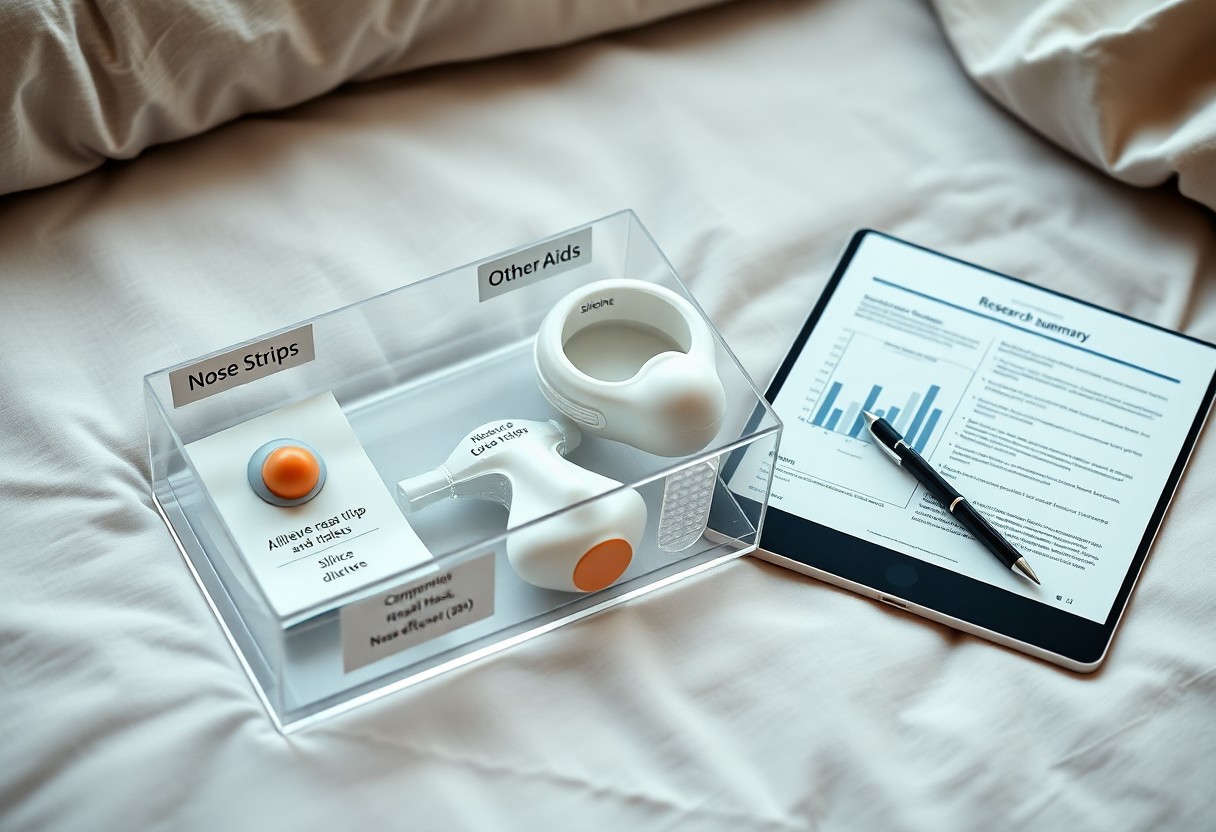
Comparative effectiveness and evidence for naps
For short naps, evidence shows trade-offs: external nasal strips give a modest, mechanical widening of the nasal valve (roughly a 10-20% increase in cross-sectional area in some studies) and boost comfort without drugs; topical decongestant sprays act within 5-10 minutes and can last up to 10-12 hours but carry a rebound-rhinitis risk after ~3 days of use; internal dilators often match strips for airflow; mouth taping can reduce mouth-breathing but may be dangerous if you have nasal obstruction or sleep apnea.
| Aid | Evidence/Notes for nap use |
|---|---|
| Nasal strips | Consistent, drug-free airflow gain; improves perceived breathing and mild snoring in trials; safe for single naps. |
| Topical sprays (decongestants) | Fast relief (5-10 min), long duration (up to 10-12 hrs); effective for transient congestion but risk of rebound with repeated use. |
| Internal dilators | Often similar efficacy to strips; can be more secure for active nappers; may feel intrusive for some users. |
| Mouth taping | Reduces mouth-breathing and can lower snoring intensity in small pilots, but may worsen undiagnosed obstructive events-use caution. |
Immediate airflow improvement and perceived restfulness
You’ll often feel faster relief with sprays and mechanical aids: sprays clear mucosal swelling within 5-10 minutes, while strips and dilators give near-instant structural opening, typically translating to a noticeable improvement in perceived restfulness during a 10-30 minute nap. Studies report subjective sleep-quality gains even when objective sleep stages don’t change; for example, users commonly report being able to fall asleep faster and wake feeling less congested after a single nap with a strip or short-acting spray.
Impact on snoring, oxygenation, and brief-sleep physiology
For nap-length sleep, snoring intensity can drop with strips, dilators, or mouth taping in mild cases, but oxygen saturation usually remains stable in healthy nappers; significant desaturations are uncommon in naps under 30 minutes unless you have underlying OSA or cardiopulmonary disease. Be aware that mouth taping may reduce snoring yet mask or worsen obstructive events if you have sleep-disordered breathing.
More detailed trial data come from small crossover studies (often n=20-60) showing strips reduce subjective snoring by roughly 10-30%, while decongestant sprays produce quick symptomatic relief without reliably changing mean nocturnal SpO2 in healthy subjects. Importantly, none of these aids replace CPAP for diagnosed OSA; if you suspect apnea or cardiovascular risk, avoid mouth taping and prioritize evaluation-using a strip or single-use spray is generally the safer short-term choice for naps.
Choosing the right option for your nap
Symptom-driven decision points (congestion, snoring, comfort)
You might try a nasal strip for mild congestion since it passively opens nostrils without drugs, while a short-acting decongestant spray often gives faster relief for 20-30 minute naps but can rebound with repeated use. Internal dilators provide stable mechanical support and suit active sleepers; mouth taping can improve nasal breathing but may be unsafe if you have obstructive sleep apnea or nasal blockage. After testing one method for several naps, track how your snoring and comfort change.
- nasal strips
- sprays
- dilators
- mouth taping
Practical factors: ease of use, cost, allergies, and when to seek care
You should weigh ease of use-nasal strips apply in seconds, dilators require correct sizing, and sprays need careful dosing-against cost: strips run about $1-2 each, sprays $0.10-0.50 per dose, dilators $10-30 reusable, and mouth taping is very cheap. If you have sensitive skin, allergies to adhesives or propellants can be limiting, and if you experience loud gasping, daytime sleepiness, or pauses, seek medical review. After noting persistent symptoms for a week, consult a clinician.
- ease of use
- cost
- allergies
- seek care
Compare total monthly expense: daily nasal strips can cost $30-60, whereas a one-time dilator purchase spreads to pennies per nap; sprays may be cheapest per dose but risk rhinitis if used more than 3 days. You should patch-test adhesives for 48 hours to screen for contact dermatitis, and avoid mouth taping if you snore loudly or have breathing pauses because it can worsen obstructive events. After discussing repeat symptoms with your provider, consider a sleep study or ENT evaluation.
- nasal strips
- dilator
- sprays
- mouth taping
Conclusion
Presently you should weigh nasal strips’ simplicity and drug-free relief against sprays’ fast but temporary decongestion and rebound risk, dilators’ stronger internal support but potential discomfort, and mouth taping’s effectiveness for your mouth breathing with safety considerations; for brief naps nasal strips often offer the best balance of comfort and convenience, whereas the others may suit specific causes, so consult guidance if you have nasal pathology or breathing disorders.
FAQ
Q: Are nasal strips more effective than nasal sprays, internal dilators, or mouth taping for improving breathing during short naps?
A: Nasal strips provide a simple, non‑medicated mechanical lift of the nasal valves that often improves airflow immediately with minimal setup, making them well suited for short naps. Decongestant sprays can clear congestion quickly but act for a limited time and repeated use can cause rebound congestion; steroid sprays take longer to work and aren’t helpful for an immediate nap. Internal dilators can produce a similar widening effect to strips but may feel bulky or irritating for some users. Mouth taping can reduce mouth breathing and related snoring but only helps if nasal breathing is already adequate-taping with significant nasal blockage can make breathing unsafe. For most brief naps, strips are a low‑effort first choice, sprays for acute congestion, dilators for those who prefer internal support, and mouth taping only if nasal passages are patent.
Q: What safety concerns or side effects should I consider for each option when napping?
A: Nasal strips: possible skin irritation, adhesive allergy, or reduced efficacy with oily skin; generally low risk. Decongestant sprays: short‑term relief but risk of rebound congestion with repeated use, nasal dryness, and systemic effects if overused; avoid in certain cardiovascular conditions. Steroid sprays: minimal immediate benefit for a nap and potential local irritation with long‑term use. Internal dilators: nasal mucosal irritation, minor bleeding, and discomfort for some users. Mouth taping: risk if nasal airflow is impaired, potential anxiety for some, and not recommended during illness, heavy congestion, or for people with sleep apnea unless supervised by a clinician. Stop any method that causes breathing difficulty, severe irritation, or significant discomfort.
Q: How should I choose and use these aids for the most restful nap experience?
A: Assess whether nasal obstruction is the main problem: if mild nasal valve collapse or congestion is the issue, try a nasal strip first for immediate, drug‑free relief. Use decongestant sprays only sparingly for acute congestion and avoid routine use; steroid sprays suit ongoing nasal inflammation but not immediate naps. Test internal dilators at home before relying on them for naps to check comfort and fit. Only consider mouth taping if you can breathe comfortably through your nose while awake and have no severe nasal blockage, and start with a small, breathable tape designed for this purpose. Keep naps short (20-45 minutes), position upright or slightly reclined if congestion is present, and discontinue combinations that make breathing feel restricted. Seek medical advice if persistent breathing difficulty or frequent sleepiness occurs.
