Why Light Sleep Still Needs Good Breathing
Health impacts of nasal airflow are immediate: even during short, light naps your quality of rest hinges on unobstructed breathing, because blocked nasal passages cause oxygen dips and sleep fragmentation that leave you groggy and increase cardiovascular strain; conversely, clear nasal breathing boosts restorative processes, so learn how to improve your airflow and see Why Sleep Breathing Matters? – Sunrise.
Key Takeaways:
- Nasal airflow stabilizes breathing during light sleep; obstruction raises airway resistance and promotes shallow breaths and micro-arousals that fragment short naps.
- Unobstructed nasal breathing helps keep oxygen and CO2 levels steady, preventing intermittent hypoxia or hypercapnia that can trigger awakenings and reduce nap benefit.
- Nasal breathing favors parasympathetic tone and lowers airway collapse/snoring, reducing sympathetic spikes so even brief naps are more restorative.
Physiology of light sleep
During Stage 1-2 transitions you rely on stable breathing: Stage 1 lasts about 1-7 minutes and Stage 2 accounts for roughly 40-55% of adult sleep, so even short naps engage these patterns. When your nasal airway narrows, you lose nasal nitric oxide and increase airflow resistance, raising work of breathing and promoting micro-arousals. For practical strategies on preserving nasal flow and why it matters for sleep quality see Why Good Sleep Starts with Good Breathing.
Neural and respiratory control in Stage 1-2 sleep
Brainstem respiratory centers reduce drive as you enter Stage 1-2; ventilatory chemosensitivity to CO2 typically falls by ~20-40% versus wake, so your breathing depends more on automatic rhythms than conscious control. You also experience lower upper-airway muscle tone-especially the genioglossus-increasing airway collapsibility. Because reflexes carry the load, even mild nasal obstruction can tip your breathing toward instability and trigger arousals that fragment the nap.
Nasal airflow’s contribution to gas exchange and arousal thresholds
When you breathe through your nose, you add filtration, humidification and nasal nitric oxide that improves pulmonary perfusion and gas exchange; obstructed nasal airflow reduces those benefits and increases inspiratory resistance. In short naps this matters: even brief nasal blockade raises micro-arousal risk and lowers oxygen uptake efficiency, cutting restorative benefit. Keep unobstructed nasal flow to protect gas exchange during light sleep.
Physiologically, nasal breathing supports a lower respiratory rate with larger tidal volumes so your alveolar ventilation stays efficient in Stage 2. The nose conditions air and filters particles; without it you tend toward shallow, upper‑chest breaths that increase dead‑space ventilation and snoring. Sleep lab observations show transient nasal blockage often precedes micro-arousals, so maintaining patency prevents fragmentation and preserves the short-term recovery you expect from a light nap.

Nasal versus oral breathing mechanics
When you nap for 10-20 minutes, nasal versus oral pathways change flow dynamics: the nose provides about 50% of total airway resistance at rest while conditioning, humidifying, and filtering air, and oral breathing bypasses those functions. If your nose is obstructed, you’ll increase turbulent flow and upper‑airway collapse risk, so even a short, light sleep episode can show measurable losses in stability and sleep quality.
Airflow resistance, nasal patency, and upper‑airway stability
Nasal obstruction-from congestion, septal deviation, or polyps-can raise resistance by roughly 2-5×, forcing higher inspiratory effort and negative pharyngeal pressure that destabilizes the soft palate and tongue. You’ll notice more snoring and transient collapses during light naps when nasal patency drops, and small interventions (saline, decongestant, or nasal dilators) often restore airflow enough to reduce those events.
Nasal reflexes, nitric oxide, and effects on oxygen delivery
The nose releases nitric oxide (typically ~100-1,000 ppb in nasal air), which you draw into the lungs during nasal breaths; this boosts local pulmonary vasodilation and improves ventilation-perfusion matching. For short naps, retaining nasal airflow helps your oxygen uptake efficiency and lowers the chance of brief desaturations compared with exclusive oral breathing.
Beyond NO, trigeminal nasal reflexes modify your breathing pattern-enhancing diaphragmatic drive and reducing upper‑airway collapsibility-so nasal breathing during a 10-20 minute nap both reduces dead space and supports more stable SpO2. Clinical and bench studies show small but consistent improvements in oxygenation and reduced snoring when nasal flow is preserved versus obstructed oral breathing.
How obstructed nasal breathing disrupts short naps
When your nasal airway narrows during a brief nap, even a 10-20 minute sleep can be derailed: mouth breathing increases upper‑airway resistance, you generate louder snoring and extra respiratory effort, and that raises the likelihood of micro‑arousals and awakenings. In practical terms, one blocked inhalation can interrupt the sleep cycle within seconds, cutting the cognitive and restorative gains you expected from a short rest.
Sleep fragmentation, micro‑arousals, and reduced nap quality
Obstructed nasal flow raises the frequency of brief EEG arousals (each lasting ≥3 seconds), so you experience more sleep fragmentation and less N2 progression; as a result, memory consolidation and mood benefits from a nap are diminished. If you nap regularly, repeated interruptions accumulate, producing the subjective feeling of an unrefreshing nap despite total time spent asleep.
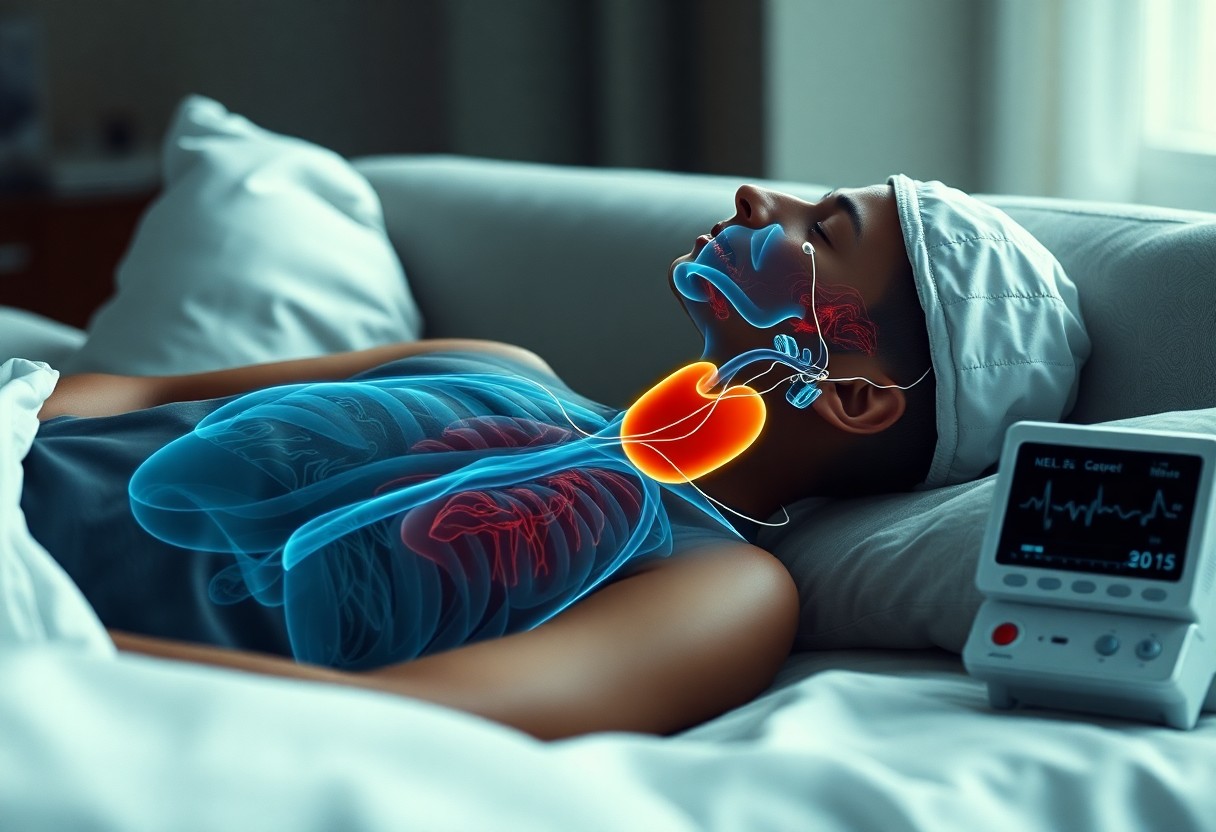
Rapid fluctuations in O2/CO2 and heart‑rate variability
Blocked nasal breathing provokes fast swings in oxygen and CO2 – mild obstructions commonly cause SpO2 drops of ~2-4% and heart‑rate surges of 5-15 bpm during arousal responses – which trigger sympathetic activation and reduce parasympathetic recovery. Those rapid physiologic shifts shorten stable breathing epochs and make it harder for your autonomic system to settle into the restorative patterns that even light sleep requires.
On a mechanistic level, nasal airflow supplies nitric oxide and stabilizes gas exchange; when you lose that, chemoreceptors detect CO2 rises within tens of seconds and provoke sympathetic bursts, reflected as reduced high‑frequency HRV and increased low‑frequency power. In lab and ambulatory recordings this pattern appears quickly during obstructive events, so even a single blocked breath can derail the autonomic balance needed for a truly restorative short nap.
Cognitive and cardiovascular consequences of disrupted naps
When your nasal airway is partially blocked during a short nap, sleep becomes fragmented and the brief restorative stages (N1-N2) that you rely on are disrupted; even a 10-30 minute nap can lose its benefit if arousals rise, leaving you less alert and with greater sympathetic drive than before you lay down.
Impaired consolidation, alertness, and mood after naps
If your nasal flow is impeded, you get more micro‑arousals that reduce sleep‑spindle density in N2-those spindles mediate procedural and declarative consolidation-so a 20‑minute nap you expected to boost motor learning or vigilance may instead leave you with poorer retention, slower reaction times, and worsened mood after waking.
Sympathetic activation and transient blood‑pressure effects
Partial obstruction forces you into intermittent inspiratory effort and arousal, triggering sympathetic bursts that raise heart rate and blood pressure for tens of seconds; those transient surges can negate the cardiovascular calm a nap should provide, especially if you have hypertension or cardiovascular risk factors.
Physiologically, increased nasal resistance elevates negative intrathoracic pressure during inspiration, which, combined with arousal, can produce heart‑rate jumps of roughly 5-15 bpm and blood‑pressure spikes lasting about 20-60 seconds; in people with elevated baseline BP, repeated nap‑time surges accumulate and can worsen daytime blood‑pressure control, as seen in clinical reports of patients whose midday rest became fragmented after nasal obstruction (e.g., septal deviation or allergic congestion).
Why even light naps depend on unobstructed nasal airflow
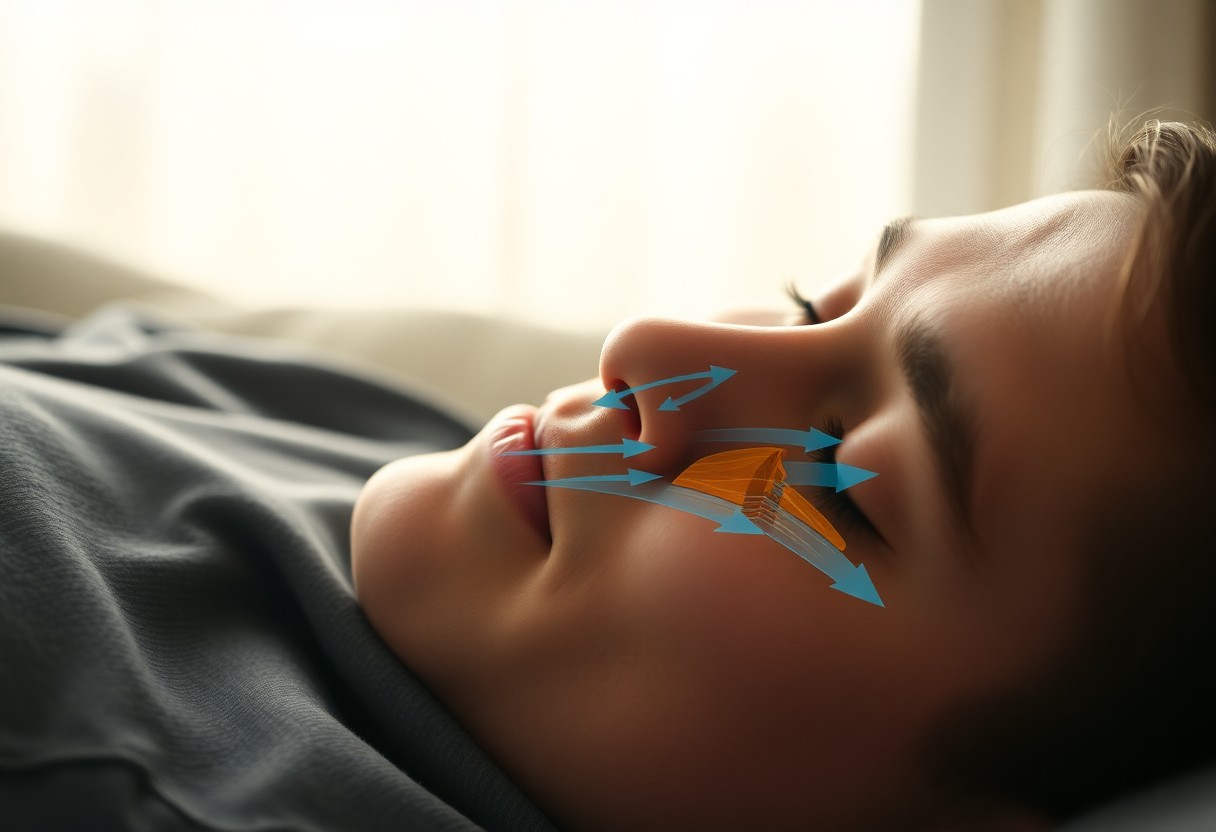
Your typical 10-30 minute nap is dominated by N1/N2 light sleep, so any nasal narrowing instantly undermines function: increased arousals, snoring, and reduced cognitive recovery follow when you switch to mouth breathing. Nasal patency supplies nasal nitric oxide and stabilizes airflow, helping you enter brief consolidation windows that restore alertness and memory. When your nose is blocked, those short windows shrink or fragment, and the nap often fails to deliver its expected performance and mood benefits.
Short sleep episodes magnify breathing instability during transitions
During the wake→N1 transition you already experience reduced ventilatory drive and looser muscle tone, so a small rise in nasal resistance – from congestion, a deviated septum, or allergens – readily pushes you into oral breathing and snoring. This instability means a 10-20 minute nap can include multiple micro-arousals that erase expected gains in attention and learning; if you want a restorative short nap, keeping nasal flow open is a practical necessity.
Small physiological perturbations produce outsized functional effects
Even modest changes – partial nostril obstruction, mild swelling from allergies, or a drop in nasal nitric oxide – disproportionately increase your arousal probability and drop oxygen exchange efficiency during light sleep. You may not fully wake, but those brief disruptions blunt synaptic downscaling and the short-term memory consolidation that naps target, turning a potentially performance-boosting 20-minute nap into fragmented rest with little benefit.
In practice, that means simple interventions often flip outcomes: using a saline rinse, topical decongestant for a single episode, or a nasal dilator can restore nasal lumen and reduce snoring, allowing you to complete uninterrupted N1/N2 cycles within a 10-30 minute nap and recover attention and mood. Conversely, untreated nasal obstruction commonly produces repeated micro-arousals and measurable declines in post-nap reaction time and vigilance.
Practical measures to preserve nasal airflow during naps
Apply a layered approach: combine simple behavioral tweaks, positional changes, environmental control and, when needed, targeted medical options so your nasal passages stay patent during a 10-30 minute light nap. Because even brief nasal obstruction increases inspiratory effort and arousal risk, prioritize quick fixes you can do immediately (saline rinse, head elevation, humidification) and reserve pharmacologic or device interventions for persistent problems identified over several naps.
Behavioral, positional, and environmental strategies
Before you nap, blow your nose and use a quick saline spray; sleeping on your side or with your head elevated ~20-30° reduces nasal congestion and airway resistance. Keep room humidity around 40-50%, avoid alcohol within 4 hours and heavy meals right before a nap, and try nasal-breathing drills or a brief steam inhalation-these measures often cut snoring and mouth-breathing during short naps.
Medical treatments and devices for persistent obstruction
Use intranasal saline and consider intranasal corticosteroids for allergic or inflammatory causes (they typically take 2-4 weeks), while limiting topical decongestants to 3 days to avoid rhinitis medicamentosa. External nasal strips or internal dilators can instantly widen the nasal valve; for suspected sleep apnea or fixed anatomic blockage, consult ENT about CPAP trials or surgical options like septoplasty or turbinate reduction.
Intranasal steroids are first-line for chronic rhinitis and improve airflow progressively; if obstruction persists despite medical therapy, ENT assessment with nasal endoscopy and allergy testing directs treatment. Be cautious with first‑generation oral antihistamines because they increase sedation and airway collapse risk in vulnerable sleepers. Nasal strips show measurable inspiratory resistance reduction in studies, CPAP remains the standard for obstructive sleep apnea, and surgery is considered when conservative measures fail.
Final Words
To wrap up, you need unobstructed nasal airflow even during light naps because breathing stability maintains your oxygenation, prevents brief arousals from airway obstruction, and supports REM and NREM transitions. Poor nasal patency raises airway resistance, increases sleep fragmentation, and reduces restorative benefits of short sleep. For more on how sleep affects breathing and why apneas reoccur, see Effect of sleep on breathing – Why recurrent apneas are only …
FAQ
Q: Why does nasal airflow matter during short, light naps?
A: Even brief naps include light sleep stages (N1 and N2) when the brain shifts into lower arousal thresholds and begins early restorative processes. Unobstructed nasal airflow supports steady oxygen delivery and normal carbon dioxide exchange, which stabilizes the respiratory pattern and prevents brief arousals. Nasal breathing also supplies nitric oxide from the sinuses, which improves oxygen uptake in the lungs and supports local antimicrobial defense. When nasal flow is blocked, the body often switches to mouth breathing, raising airway resistance, increasing work of breathing, and triggering micro-awakenings that reduce the nap’s cognitive and physical benefits.
Q: How does even partial nasal obstruction disrupt the quality of light sleep?
A: Partial obstruction raises resistance to airflow, so small hypoventilation episodes and subtle CO2 imbalances occur. Those changes tighten autonomic control-more sympathetic spikes, more heart-rate variability-and increase the frequency of sleep-stage disruptions. Mouth breathing from a blocked nose dries and cools the airway, promotes snoring or partial collapse of the upper airway, and produces short arousals or lighter sleep segments. The result is fragmented sleep architecture, so a short nap provides less clearing of sleep pressure, weaker consolidation of attention and memory, and diminished mood and alertness benefits.
Q: What practical steps help keep the nasal airway open for effective short naps?
A: Before a nap, clear and humidify the nose with saline spray or a brief steam inhalation; apply a nasal dilator strip or use a soft adhesive external dilator if you experience nasal valve collapse. Elevate the head slightly and avoid supine positions that promote congestion. Treat underlying nasal congestion or allergies with appropriate measures (antihistamines or nasal steroid sprays as recommended by a clinician). For people with chronic obstruction or sleep-disordered breathing, seek medical evaluation-addressing the cause restores uninterrupted nasal flow and preserves the restorative value of even short, light naps.
