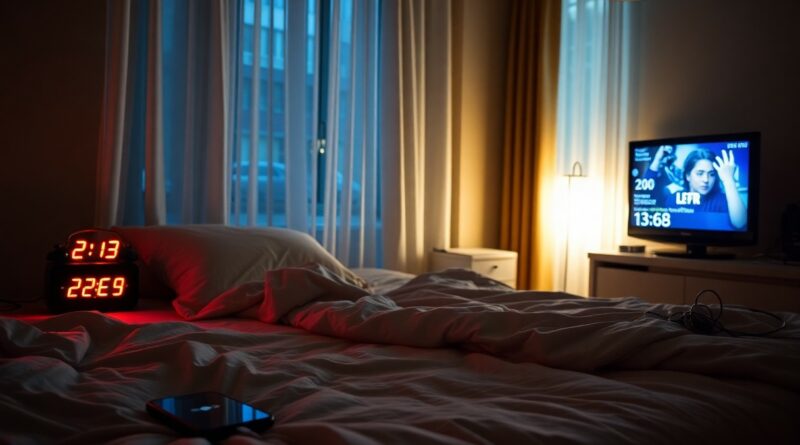
Why Your Sleep Environment Could Be Ruining Your Rest
It’s time to act: Hidden bedroom issues can quietly disrupt sleep night after night, necessitating a problem-solving approach to environmental rest so you identify noise, light, allergens and temperature to restore consistent, restorative sleep.
Key Takeaways:
- Noise from traffic, neighbors, or electronics fragments sleep; block sound with earplugs, white-noise machines, or basic soundproofing like door sweeps and heavy curtains.
- Light from streetlamps and screens suppresses melatonin and delays sleep onset; use blackout curtains, dim displays before bed, and try an eye mask for complete darkness.
- Room temperature outside the 60-67°F (15-19°C) range disrupts REM cycles and causes awakenings; choose breathable bedding, add a fan or heater, and set a consistent thermostat schedule.
- Poor bedding-worn pillows, flattened toppers, or scratchy sheets-creates micro-awakenings; replace pillows every 1-2 years and pick fabrics and fills that suit your sleep position and climate.
- An unsupportive or sagging mattress increases pressure points and morning pain; test mattresses when possible, use a supportive topper short-term, and plan replacement after about 7-10 years.
Controlling Light and Noise Pollution
Light and noise are primary bedroom issues that ruin your rest by interrupting your body’s internal circadian rhythms. You should eliminate stray light and steady noise to prevent frequent awakenings and reduced REM sleep.
Implementing blackout and light-filtering solutions
Install blackout curtains, room-darkening shades, or a sleep mask and switch to warm, dimmable bulbs so you control light exposure and protect melatonin release tied to your circadian rhythms.
Sound-masking and acoustic dampening techniques
Try white- or pink-noise machines, low-frequency fans, or acoustic panels and thick rugs to mask street noise and lower sound spikes that interrupt your body’s circadian rhythms.
Use a combination approach: place a white- or pink-noise machine near your head, add dense curtains and rugs, mount acoustic panels on shared walls, and seal window and door gaps with weatherstripping. You should test late-night noise sources and adjust placement so sudden sounds and continuous intrusions that disturb your sleep cycles are minimized.
Optimizing Thermal Regulation
Ideal temperature ranges for consistent rest
Set your bedroom to 60-67°F (15-19°C) for consistent rest. Overheating is a critical environmental factor that prevents the body from sustaining deep, restorative sleep stages.
Temperature vs Effect
| Temperature range | Effect for you |
|---|---|
| 60-67°F (15-19°C) | Promotes deep, restorative sleep |
| 68-74°F (20-23°C) | May reduce deep sleep and increase awakenings |
| >75°F (>24°C) | Overheating prevents sustaining deep, restorative sleep stages |
Enhancing bedroom breathability and air circulation
Open windows, run a ceiling fan, or use an exhaust to keep air moving so you avoid heat accumulation that fragments deep sleep.
Use cross-ventilation by opening opposite windows and positioning fans to draw cool air in while expelling warm air; set ceiling fans counterclockwise and aim for 40-50% humidity to lower perceived heat, reduce night awakenings, and help you sustain deep, restorative sleep stages.
Evaluating Bedding and Material Comfort
Poor bedding materials can trap heat and cause physical irritation, leading to fragmented sleep throughout the night. Swap scratchy synthetics for breathable fibers and review 18 Ways You May Be Sabotaging Your Sleep Schedule to find simple swaps that help you stay asleep.
Impact of fabric selection on skin temperature
Synthetic sheets often trap warmth while natural fibers release heat; you should prioritize breathable materials to prevent night sweats that fragment your rest.
Fabric vs Sleep Impact
| Material | Effect |
|---|---|
| Polyester blends | Trap heat and irritate skin, increasing awakenings |
| Cotton / Linen | Breathable, reduces overheating and discomfort |
| Bamboo / Modal | Moisture-wicking and cooler for sensitive sleepers |
Ergonomic pillow considerations for neck alignment
Adjustable loft or contoured pillows keep your cervical spine neutral, helping you avoid neck strain that fragments sleep; test support levels to match your usual position.
Supportive pillows like contour memory foam or adjustable-fill designs maintain neutral head position so you don’t wake from stiffness; when you try a pillow, mimic your sleep posture and check that your head neither tilts up nor sags. Neutral neck alignment reduces pressure and fewer micro-awakenings, so replace or adjust pillows if you notice increased irritation or flattening.
Addressing Mattress Support and Integrity
Addressing mattress issues matters: An uncomfortable mattress often causes physical strain and is a major source of consistent sleep disruption. Check sag, foam breakdown and edge collapse; replace if >8 years or if you notice >2 inches sag. See research on environmental sleep factors Environmental Determinants of Insufficient Sleep and … – PMC.
Recognizing the lifespan and degradation of mattress materials
Assess your mattress for odor, permanent indentations, or firmness loss; you should expect most mattresses to degrade by year eight. Replacing before 8-10 years prevents ongoing strain and recurring wakefulness.
The importance of orthopedic support for spinal health
Maintain a mattress that keeps your spine neutral; lack of orthopedic support can increase nocturnal pain and awakenings. Proper support reduces pressure points and lowers risk of chronic daytime fatigue.
If you experience recurring back stiffness, check for >2 inches of sag, compromised coil rebound or collapsed foam layers; mattresses older than 8-10 years often lose orthopedic function. Choosing zoned supports or medium-firm options helps keep your spine aligned and reduces pressure on hips and shoulders. Seek professional assessment when pain persists despite replacement to avoid long-term dysfunction.
Conclusion
You must identify and resolve common bedroom issues; identifying and resolving these common bedroom issues is important to stop them from quietly disrupting your sleep night after night, so reduce light, control noise, and set a stable temperature to restore consistent rest.
FAQ
Q: How can noise in my bedroom ruin my sleep?
A: Chronic or intermittent noise fragments sleep by causing micro-awakenings and lighter, less restorative sleep stages. Common culprits include traffic, HVAC hum, noisy neighbors, and household appliances. Short-term fixes include earplugs, a white-noise machine or fan, sealing gaps around windows and doors, and rearranging the bed away from noise sources. Long-term solutions include installing thicker curtains or acoustic panels, upgrading to quieter HVAC components, improving window seals or double glazing, and creating a buffer zone (hallway or closet) between the bedroom and noisy areas.
Q: In what ways does light exposure at night affect rest, and what can I do about it?
A: Light suppresses melatonin and shifts circadian timing, making it harder to fall asleep and stay asleep. Blue-rich light from phones, tablets, and LEDs is especially disruptive. Reduce evening light by using blackout curtains or blinds, installing dim, warm-colored bulbs in bedside lamps, and wearing a comfortable sleep mask if full blackout isn’t possible. Stop screen use at least 30-60 minutes before bed or enable night-shift/blue-light filters, and mute notifications or place devices out of reach to avoid late-night interruptions.
Q: How does bedroom temperature influence sleep quality and what temperature should I aim for?
A: Core body temperature needs to drop to initiate deep sleep; a room that is too hot or too cold prevents that cooling and causes restlessness. Sleep research generally recommends a bedroom temperature between about 60-67°F (15-19°C) for most adults. Improve thermal comfort by using breathable bedding (cotton, linen), adjustable layers you can add or remove, a fan or AC to circulate air, and cooling mattress pads or toppers if your mattress traps heat. Insulate windows and vents to avoid drafts and temperature swings overnight.
Q: Could my mattress or bedding be the reason I wake up sore or unrested?
A: Worn-out or poorly suited mattresses and bedding produce pressure points, spinal misalignment, and disturbed sleep. Signs of a tired mattress include visible sagging, dips where you sleep, waking with new aches, and needing more sleep to feel rested. Try rotating or flipping the mattress if applicable, add a supportive mattress topper to relieve pressure, and test different firmness levels based on sleep position (softer for side sleepers, firmer for back/stomach). Plan to replace mattresses that are 7-10 years old or show structural wear, and choose breathable, hypoallergenic bedding to reduce heat and allergens.
Q: Do electronics, clutter, or smells in the bedroom disrupt sleep even if the mattress and temperature are fine?
A: Electronic stimulation, visual clutter, and strong odors raise cognitive and physiological arousal, making it harder to relax and enter deep sleep. Remove work-related items and screens from the bedroom, enable Do Not Disturb or silent modes overnight, and create a calming pre-sleep routine that avoids stimulating content. Keep the room tidy and reserved for sleep and intimacy only to strengthen the mental association between the space and rest. Use mild, sleep-promoting scents such as lavender in moderation; avoid overpowering fragrances that can irritate airways or trigger wakefulness.
